Showing posts with label Dog Food And Nutrition. Show all posts

Monday, August 26, 2019

Should You Add Olive Oil To Your Dogs Daily Diet?
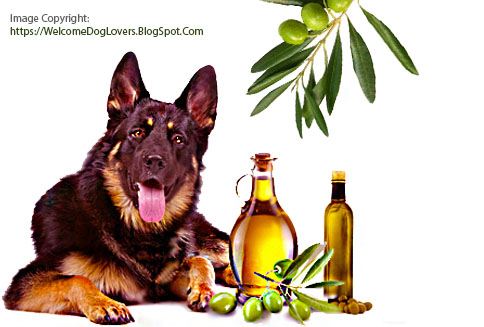

When you talk about olive oil you probably think of its wide array of benefits for your children. According to a new study carried out by researchers in France older persons who consumes olive oil daily are less prone to have a stroke. The snippet of this study, which is part of the Three-City Study, an ongoing multi-center study of vascular risk factors for dementia, could be found in the online issue of Neurology. Moreover the Greeks and Italians have been using olive oil for several centuries now as a therapy for dry and bad skin.olive-oil-dog-diet

Fact is olive oil is not only beneficial for humans, but it is also a wise addition to your dog’s daily diet. Veterinarians often ask adding olive oil to dog’s diet to help subjects with itchy dermal allergies. As long as your dog doesn’t have any underlying diseases that affect his skin or or allergies, treating flaky, dry and itchy skin with olive oil is a great option.

Here are many other reasons to add olive oil to your dog’s diet

Treating flaky dry skin: If your dog is suffering from flaky, dry skin you can apply olive oil both externally and internally. Applying olive oil externally and with your dog’s food will only mitigate the flakiness. For a permanent result it is important to look into your dog’s internal health including the liver and digestive system. Poor quality food, dry weather, heavy infestation of internal and external parasites, allergies (inhalant or food allergies), autoimmune disorders, hormonal imbalance (lack of thyroid hormones) are some of the other things that contribute to the dryness of your dog’s skin and these conditions need to be addressed alongside applying olive oil. The omega 3 fatty acids in olive oil improves the skin quality of your dog.

Health of connective tissue and coat: Olive oil is rich in vitamin E that supports the health of connective tissue like muscles and skin by minimizing the loss of muscular and dermal elasticity. Dogs that get a teaspoon of olive oil will have a healthier skin and coat condition.

Strengthening dog’s immunity: Olive oil is one of the richest natural sources of high levels of antioxidants, polyphenols, carotenoids, chlorophyll and natural vitamin E (as already mentioned above). This is a unique blend of most important micronutrients that helps in prevention of degenerative diseases and various diseases associated with oxidative stress, for instance neurodegenerative disorders (Neuronal ceroid lipofuscinoses (NCL) or Batten didease), cancer and cardiovascular ailment in your dog.

Fights Osteoporosis: Olive Oil effectively fights osteoporosis in dogs, as in humans. In a study researchers have proved olive oil’s benefit in fighting the decreasing bone mass in dogs and females that have given birth to puppies. Olive oil helps in thickening of bone mass and prevent. However, alone olive oil may not be a great solution. A balanced diet plays a very important role in maintaining healthy bones. It is important to introduce foods rich in calcium and Vitamin D, as well as those containing minerals including: zinc, magnesium, phosphorus, iron in your dog’s daily diet. It is advised to check with a registered veterinarian or nutritionist for help in determining what, if anything more, is needed to be added in your dog’s daily diet for healthy bones.

Fights High Cholesterol Level without compromising on desirable fats: Olive oil controls cholesterol level on your dog without compromising on the desired requirement of essential fats.

Support improved blood circulation: Olive oil improves blood circulation and soothe breathing. A controlled daily dose of olive oil may be beneficial for breeds like bull dogs that suffer from distress breathing.

How much of olive oil is enough for your dog may depend largely on the type of dog you have. It is advisable to check with your vet and an experienced canine nutritionist who can help you in determining how much olive oil should you add to your dog’s diet.

Olive Oil To Your Dog’s Diet Is a Wise Decision If your dog Is Not Allergic to This Oil

Read more...
Buzz this

Wednesday, July 10, 2019

Prey Model vs. BARF Diets : Raw Dog Food Diet


 Model and one that's based on the principles of a BARF diet? Which one is better?


The BARF diet is a great options of a health and nutritious diet for your German Shepherds and any other dog breed. The BARF provides dog with all vitamins and minerals that your German Shepherd Dog requires at every stage of his of her life and even during emergency phases like pregnancy and illness. If fed in the correct proportion with proper combination of vegetables it will be highly beneficial to your dog's health and his or her immune system. In the context of feeding BARF diet fed to your German Shepherd or any other dog, we need to discuss the comparison between Prey Model and BARF Diets. So what is a Prey Model diet? A Prey Model diet is a diet that closely resembles a diet that canines and felines in the wild or nature have evolved to be fed on. The Prey Model diet is the type of whole prey critters which all dogs and cats in the nature eat. The physiological aspect of the thing is that your pug or GSD or Yorkie... have digestive system much similar to wild wolves. Your dog's teeth, stomachs and digestive tracts are naturally fit for consume whole prey.

Now the the question is....

What is the difference between a raw dog food diet that is based on the Prey Model and one that is based on the principles of a BARF diet? Which one is better?

The Prey Model advocates food that wild counterparts (wolves and foxes) of dogs feed on. The scientific rationale behind the Prey Model is that the digestive system of domestic dogs is the same as that of wolves. It means that wolves and domestic dogs are naturally wired to have the same nutritional requirements.

Wolves hunt and eat prey. They also eat carcasses in the wild. In the Prey Model, that diet is approximated by feeding dogs with whole wild game, rabbits, rodents, and any raw meaty bones.

Don't forget to freeze wild game for at least twenty hours before feeding to kill all the parasites that can make you sick (dogs are not affected by wild game parasites). As for rodents (rats, squirrels, and mice), freeze them for a month before you give them to your dogs; rodents are high in human pathogens. The human pathogens are the pathogens (microbe or microorganism such as a virus, bacterium, prion or fungus) that breeds diseases in humans.

The most important detail about the Prey Model is its emphasis on feeding whole prey. Whole meaty bones (with meat still intact) are given to dogs. Whole carcasses of rabbits and wild game are fed to dogs. In short, no processing (except for the freezing that's compulsory for wild game and rodents) is performed.

BARF diets are way healthier than kibble-based foods. The BARF diet takes into account the carnivorous nature of dogs, but it also assumes that dogs are omnivores. Dogs can eat plant matter, but it does not necessarily mean that plant-based foods are good for them. BARF diets give 50% food content consisting of bones. That is an abnormally large quantity. If a dog eats a carcass in the wild, the bone content of that prey animal is roughly 25%. There’s no prey animal that contains 50% bone. The BARF diet also advocates the feeding of veggies. Dogs have short guts and cannot break down plant matter. When dogs digest processed plant matter (like kibble), their pancreas do much of the work. Thus, raw-fed dogs live longer than kibble-fed ones.


Related Reads - Dog Food and Nutrition


Author Bio: I am Maggie Rhines (London, United Kingdom) – canine nutritionist, and specialist in raw dog food. I would recommend BARF Raw Dog Food Diet for your dogs. It is immensely important that you should know certain most important things while skipping from regular food to BARF diets. Learn how to save money and how to switch to a much healthier raw dog food diet for your pets. To know more about how to properly transition from traditional pet food products to raw dog foods and to get cheap and easy-to-make raw dog food recipes, visit Raw Dog Food System.

Read more...
Buzz this

Thursday, April 4, 2019

Cautionary Measures for Raw Dog Food


Feeding your dog with a raw dog food diet keeps him healthy and free of common diseases that affect kibble-fed pets. Raw foods are proven to increase the life spans of your German Shepherd Dogs or any other dog – irrespective breed, type, group and sex. Large breeds like German Shepherds, Labradors, Great Danes, Rottweilers, Mastiffs etc. usually respond very well to the BARF diet. However, other dog breeds are of no exception! There exist a common myth that toy and small breeds of dogs cannot be kept on raw dog food diet.

Raw dog food recipes, containing correct mix of all essential nutrients that your dogs require, should include fresh raw meats, raw meaty bones, adequate and correct combination of vegetables (that are rich sources of Vitamins A, B, C, and K) and last but not least – certain fruits (berries, bananas, apples etc.) that provides enough Vitamin C and antioxidants. Uncooked, raw meats provide good amount of protein, which is immensely important for the health and immune system of your dog. Raw meaty bones are the rich source of calcium and phosphorous, which act as the essential nutrients for your growing German Shepherds or any other dog breed and help development of their bones. Pregnant females should be kept on raw dog food recipes that help their growing puppies build powerful bones and innate strength and immune system. You will also help them to avoid suffering from common digestive illnesses.

However, raw-feeding comes with responsibility, too. Here are cautionary measures for people who give raw dog food to their dogs.

1. Freeze wild game meat overnight because that is the only way to kill the parasites that it contains. Freeze for at least 24 hours before you give wild game meat to your dog. There is no need to defrost the meat prior to serving. Game birds like doves, quails, and pheasants have been shot with lead bullets. They produce lead poisoning when eaten. Check the animals thoroughly for traces of lead pellets.

2. All Pacific salmonids (steelhead, trout, salmon, etc.) carry a parasite that’s only deadly to dogs. Freeze the fish for at least 24 hours before you give them to your dog. It’s recommended not to feed your dog with any fish that’s caught in the Pacific Northwest. Carp, smelt, catfish, and herring must be fed sparingly, too.

3. All wild rodents (rats, mice, squirrels, etc.) and rabbits have parasites like tapeworms and the bubonic plaque. The dog will not get sick. But you will be potentially affected by the parasitic disease. Freeze all rodents for a month before you give them to your dog. Rabbits must be bought from a reputable rancher. Check in your area if there’s a local rabbit supplier.

4. Don’t give the knuckle bones, femurs, etc. (all weight-bearing bones) of cows and other large herbivores. Those bones are very tough and they can damage your dog’s teeth.

5. Don’t give as standalones the small bones of chicken. Chicken wings and chicken neck bones must be fed with the raw meat still clinging to them.

6. Raw organ meat (heart, liver, kidneys, etc.) must be fed in moderate quantities. They are very nutritious for your dog, but an organ meat diet produces diarrhea and runny stools. Feed your dog with organ meat twice or thrice a week.


Related Reads - Dog Food and Nutrition


Author Bio: I am Maggie Rhines (London, United Kingdom) – canine nutritionist, and specialist in raw dog food. I would recommend BARF Raw Dog Food Diet for your dogs. It is immensely important that you should know certain most important things while skipping from regular food to BARF diets. Learn how to save money and how to switch to a much healthier raw dog food diet for your pets.

Read more...
Buzz this

Tuesday, December 15, 2015

How to Make This Christmas a Healthy Christmas For Your Dog


Christmas is almost here! You must be looking for ways to make this Christmas a safe and happy time for yourself and your dog. WelcomeDogLovers has talked in volume about Christmas for dogs. There are innumerable Christmas gift ideas that you can find in the Internet. Starting from indestructible Christmas dog toy to special Christmas cookies for you dog there are millions of gift ideas that tend to confuse a dog lover like you.

How better can you wow your dog than by making this Christmas a specially healthy time for him/her!

Home Made  Christmas Nutriment...

A special meal... call it by any name you want. The nutrition that this Christmas Nutriment can give is unparalleled.


Ingredients to make this Christmas nutriment for your dog

  • Lean beef - 400 gm (good source of sodium, potassium, protein, vitamin A, D, B-6, B-12, calcium, iron, magnesium)
  • Beef liver - 50 gm (Good source of protein, vitamins A, B12, riboflavin, zinc, selenium, antioxidants called selenoproteins)
  • Chicken neck - 5-6 full size (Good source of vitamins A, B-12, B-6, calcium, iron, thiamin, riboflavin, niacin, magnesium, phosphorus, zinc)
  • Chicken giblets (including heart and gizzard) - 100 gm (Good source of sodium, potassium, carbohydrate, protein, vitamins A, C, D, B-12, B-6, calcium, iron, magnesium)
  • Spinach leaves - 4-5 leaves (Good source of dietary fiber, natural sugar, protein, Vitamins A, C, D, B-6, B-12, calcium, iron, magnesium)
  • Carrots (properly pilled) - 2-3 medium pieces (Good source of dietary fiber, protein, vitamins A, D, B-6, B-12, C, sodium, potassium, calcium, iron, magnesium)
  • Red potato (properly pilled) - 2-3 medium pieces (Good source of vitamins E, A, B-6 and C, iron, folate, calcium, potassium and copper)
  • Green beans - 5-6 pieces (Good source of omega-3 fatty acids and vitamins A, C, K, calcium, copper, fiber, folic acid, iron, niacin, manganese, potassium, riboflavin,thiamin, beta carotene)
  • Pumpkin (properly pilled) - 80 gm (Good source of vitamin A, fiber and anti-oxidants)
  • Green brussels sprouts - 50 gms chopped or shredded (Good source of vitamins A, B-1, B-6, K, C, manganese, folate, fiber, potassium)
  • Cabbage leaves - 4-5 leaves chopped or shredded (Good source of natural anti-oxidants, sodium, potassium, carbohydrate, dietary fiber, vitamin A, B-6, C, iron, manganese, calcium)
  • Turmeric - 1 or 2 pinches (Very potent anti-inflammatory, reduce symptoms of rheumatoid arthritis in dogs, natural antiseptic and antibacterial agent)
Note: The above quantity has been determined for several servings. In case you want just one or two servings for your dog you should control the quantity as per need.


How to make this Christmas dog nutriment

Step 1: Wash the meat products (beef, liver, chicken necks and giblets) properly in hot water

Step 2. Wash the vegetable ingredients (leaves of spinach, cabbage, green beans, brussels sprouts, pumpkin, carrots and red potato) properly in hot water

Step 3: Chop the beef and liver into approximately 1 sq inch size

Step 4: Chop the chicken necks into approximately 3 inch long pieces

Step 5: Keep the chicken giblets as their natural sizes

Step 3: Chop the carrots pumpkins, beans and red potato into small pieces - to more or less uniform size

Step 4: Shred brussels sprouts, spinach and cabbage leaves into small fine strips

Step 5: Pour all ingredients in a cooking pan - preferably a pressure cooker

Note: The size of the cooker is important. The overall ingredients should not fill more than 2/3 of the cooker. Make sure there is enough water to create adequate steam. Do not fill it more than half full with water.

Step 6: Put the turmeric

Step 7: Pour water to make a broth

Step 8: Start cooking with over high heat. Once the cooker comes up to full pressure, lower the heat to a low burner mode in order to maintain pressure without exceeding it. If the pressure comes down raise the heat up

Step 9: Cooking for 9-10 minutes in low burner setting should be okay


How to serve

Serve only when the broth comes down to room temperature
The broth can, along with its ingredients, can be mixed with rice to make it a complete day meal. Store this Christmas nutriment in the refrigerator and server as needed.

Read more...
Buzz this

Friday, December 11, 2015

Does Your Dog Need Vitamins?

Often times my friend and their acquaintances who get introduced to me ask this question: "Does my dog need vitamins?"

Most of the times it becomes really difficult  for me to answer such questions. As a matter of fact, dogs that are on balanced diet should not be needing additional supplements of minerals and vitamins. So if your dog is on balanced diet he is most likely to be getting all necessary vitamins and minerals from his food.

Does your dog get complete and balanced diet?  

Well, most of the dog owners who have been asked this question, have said that they tend to keep their pooches only on premium dog foods. It confuses me the most when they talk about premium and super premium dog food.  It is really not easy to find a properly balanced and complete food for your dog. However, dogs fed only on home made diet are more prone to suffer a lack of vitamins and minerals. Even though your dog is getting a correctly complete diet, it is important to check if his system can actually absorb the nutrition from the food. Dog with hepatic and/or pancreatic problems may not be able to absorb the full nutritional value of the food he eats. In such conditions the dog may require additional supplements of vitamins, alongside digestive and pancreatic enzyme supplements.

Do not give your dog just any multi-vitamins and multi-mineral supplements because he is thin.

So how do you know if your dog needs a vitamin or could benefit from a particular vitamin supplement?

General Rule of Thumb:  You should not give your dog any single vitamin or any multi-vitamins and multi-mineral supplement because you think your dog is thin and he needs vitamins. Only a registered veterinarian can correctly recommend you any specific nutriceutical and/or dietary supplements or any single vitamin based on the diagnosis. Your veterinarian may require you to get some biochemical analysis and serum concentrations done too before he/she would like to prescribe a specific vitamin supplement and the dosage.

Hypovitaminosis in Dogs 

Deficiency of different vitamins can pose different symptoms. Hypovitaminosis are more common in dogs that are kept on single type of home made food. Home made food is good - probably better than those commercial foods available out there, as long as it contains all ingredients to make the diet complete and balanced.

Certain conditions like Exocrine Pancreatic Insufficiency (EPI), in which the pancreas fails to produce insulin (which regulates the body's blood sugar levels) and digestive enzymes (which helps to digest the food and gets the nutritional value of the food)  may leave your dog exposed to the risk of hypovitaminosis. Dogs with EPI cannot digest the food and derive the food's nutritional values. This enhances the chance of deficiency of vitamins, minerals, fats and protein. EPI dogs also suffer from hypoglycemia (low blood sugar).

Deficiency of Vitamin D

A study published in Veterinary and Comparative Oncology examined the range of sufficiency of vitamin D in dogs. The study proved a link between low vitamin D levels and chances of cancer in dogs. Vitamin D deficiency in dogs reduces the ability to absorb calcium from the diet, thereby leaves your dog exposed to the risk of lack of calcium.

Most common signs of vitamin D deficiency in dogs are:

Poor mineralization of bone and lameness
Rickets
Lethargy
Loss of muscle mass
Locomotion turns slower or inability to move in sever cases
Swellings at the growth plates on the bones


Deficiency of Vitamin B12

B12 vitamin is an one of the most essential vitamins for dogs. Vitamin B12, in conjugation with iron and folic acid, helps the dog's nervous system functions well. B12 vitamin is also important for normal cell growth. When your dog is deficient in vitamin B12, he may become inactive, slow-moving, depressed, lacking energy and alertness, lethargic.

Most common signs of vitamin B12 deficiency in dogs are:

Gastrointestinal malfunction
Nervous system malfunction
Lethargy and fatigueness
Loss of appetite
Unsteady gait and disorientation
Weakness on muscle
Dizziness
Weight loss
Spasticity
Dementia

 Hypervitaminosis in dogs

Overdosing of vitamins and minerals can hurt your dog. The most common ingredients in a multivitamin includes: Ascorbic acid (vitamin C), cyanocobalamin (vitamin B12), folic acid, thiamine (vitamin B1), riboflavin (vitamin B2), niacin (vitamin B3), biotin, pantothenic acid, pyridoxine (vitamin B6), calcium, phosphorus, iodine, iron, magnesium, copper, zinc, potassium and vitamins A, D, and E. Among these excess of calcium, iron and Vitamin D are commonly found.

Among these ingredients, toxicosis is commonly seen for iron and vitamin D in dogs.

Vitamin-induced toxicosis in dogs is common in dogs that are given too much of any specific vitamins or multi-vitamins. Vitamins in excess is as dangerous as the conditions when your dog suffers a deficiency of vitamins. Although toxicity is not too common in dogs, but excess of any specific vitamin(s) and/or mineral(s) can bring in harm to your dogs.

Chances of Toxicity of Vitamins in dogs

An overload of vitamins and/or minerals can have a bad impact on his/her health. Excess of different vitamins poses different problems. Primary vitamins are required by a dog are vitamins B complex, A, C, D, E and K. While the vitamins C and B complex, among these are water soluble, the rest are fat soluble vitamins. Among all the fat soluble vitamins, only A and D shows potential toxicity in dogs, if administered in excess.

The water soluble vitamins - B-complex and C are comparatively safe. The tissues of a dog's body cannot store these vitamins, when administered in excess. Vitamins B-complex and C are eliminated through the urine.

Read more...
Buzz this

Saturday, September 22, 2012

Things to Remember While Feeding Your Dog

Loads of talks have been going on for years regarding dog food and nutrition. Here are just a few suggestions. These are the points that I follow when it comes to feeding my dogs.

1. Stop free feeding your dog. If your dog leaves the meal, leave it only for 15-20 minutes, and then pick it up.
2. Make sure that his meal is at the room temperature, while you are serving it.
3. Give fresh water and change the water in every two to three hours time, and more frequently depending on the need and during the summer. If the water cannot be drunk by you, it cannot be drunk your your dogs too.
4. Serve the water in a properly washed bowl.
5. Make sure your dog's food is not microwaved
6. Make sure you dog's food is not stored wrapped in aluminum foil
7. Do not over-exercise you dog at least 2 hours before and after heavy meal.
8. Prevent your dog from becoming obese
9. Whelping females should not be fed bones to help keep the stool soften.
10. It is suggested to fast a dog once in a month. However, many experienced people do it once a week.
11. The amount of exercise a dog gets should be the determinant of the amount and type of food. Giving him meat every day is NOT a must.
12. Cooked bones are big NO
13. Onions are good for you, but not for your dogs. In dogs onions decrease the RBC count in the blood.
14. Milk are no good for your dog. Canines are usually lactose intolerant.
15. Remember... dogs are not carnivorous animals; they are omnivorous and all-meat diet throughout the life is not recommended. Give him green too!

You will love to check out the Dog Nutrition section of Welcome Dog Lovers (WDL) Blog. 

Read more...
Buzz this

Sunday, April 29, 2012

Dogs Food Philosophy - BARF vs Non-BARF


BARF Diet has immensely good effect on dogs… that is what many researchers consider. The BARF-ers, as many GSD owners consider themselves, have been feeding their shepherds a good combination of raw meat, raw meaty bones, eggs, and vegetables (not all veggies are recommended), along with the other important ingredients, including yogurt, some recommended cooked grains and cereals (in limited quantity) and fruits. Researchers have proved that the home-made BARF diet keeps a dog – especially the larger ones like German Shepherds, Danes, Labradors, Mastiffs etc. healthier than those that are fed the commercial dog food.

Dr. Ian Billinghurst, a veterinary surgeon from Australia has been working on the study of the related area and an feeding program was formulated to make close observations. According the him the dogs, in his clinic, that were kept on BARF food were noticed to have regained health faster than those that weren’t. Dr. Billinghurst said, "Raw meaty bone-eating dogs lived much longer than their commercially fed counterparts. Bone-eating dogs have the wonderful benefits of clean teeth with no periodontal disease, wonderfully improved digestion, a reduction in obesity, fabulous eating exercise, healthy stools, no anal sac problems, and the wonderful psychological, emotional, and immune system benefits that eating raw meaty bones has conferred on dogs for millions of years."

So what the dog owners, like us, are left with? 

Confusion! Yes… another group of highly qualified researchers have warranted a caution against using BARF diets. Julie Churchill, who is a specialist in companion animal nutrition at the University of Minnesota’s College of Veterinary Medicine, raised a voice against the BARF-ers’ philosophy. Dr. Churchill said, "I am very much against the raw food diets. Many dogs can do well on a raw food diet. However, (the diets) have the potential to be life-threatening. Any food that can potentially kill even one animal is not worth the risk."

Advocates of BARF feeders has their unique philosophy that the commercial dog foods are lack the necessary enzymes and nutritional ingredients. This seems to be the most effective holistic approach towards healthy feeding and care for your dogs. While one group explains the benefits of the BARF dog food, considering it as a natural, healthy and nutritious raw food diet of old fashion, the other group is constantly campaigning against the BARF philosophy.

Fact is fact! There’s nothing wrong in BARF diet for your dog, as long the meat and bones are super fresh. Raw meats that are kept for some time will develop life threatening bacteria. Sometimes meats that are preserved or frozen also contain salmonella that may prove to be potentially dangerous for your dog.

Why not cooking it?  Meat, egg, veggies (not all greens are good), cereals and other ingredients, like turmeric etc. can be boiled for 15-20 minutes and you can ensure a huge safety!

Read more...
Buzz this

Friday, August 26, 2011

Dog Food Recommendation: Human Food for Your Dog

Responsible dog ownership demands you to be responsible from all aspects, and not just giving right quantity of food and exercise. There has always been tons of misconceptions swirling around the dog lovers' community regarding feeding dogs and dog foods. Many newbies are being misguided with an idea that human foods are always harmful for dogs. True and false both! True because chocolates that you kids love like anything are potentially dangerous for dogs, while eggs are highly beneficial for them. Here's a highlight of some of the human foods that are highly beneficial for your dogs. All you need to keep in the forefront of your mind is that if you are making an alteration in your dogs food habit, by adding any of these as additional ingredients, the change should be as nominal as 20% of the current amount of food for adult dogs and even below 15% of the current amount of food for puppies. Prior consultation with your vet is highly recommended in this regard. Remember green is very important for dogs... they are not carnivorous animals, but omnivorous. So give him green too!

Egg is one of the major sources of digestive protein, selenium and riboflavin, which are important for your dogs. One properly boiled egg adding to the food of your dog helps his digestive system, PLUS can make his food a little more nutritional due to additional percent of protein. Raw eggs may cause deficiency of biotin in dogs. Dogs that are into heavy exercise may benefit a lot from a properly boiled egg during the small break in the middle of work.

Yogurt is another great source of calcium. Non-sweet (with no sugar or no artificial sweetener added) yogurt is a perfect addition to his food during the Summer days. Just make sure that the yogurt is free of fat. Most importantly yougurt added to your dog's food will keep him cool from inside.

Oatmeal is a rich source of soluble dietary fiber, which is very important for your dogs. The Proven benefits of oat fiber include the prevention and treatment of constipation and dog hemorrhoids. Do not add sugar and sweeteners of any flavorings while cooking oatmeal for your dogs. Cooked oatmeal has immense benefits on dog health. Check out Holistic Treatment for Dog's Itchy Skin

Gourd makes another great addition. It also prevents your dog from dehydration, acidity and indigestion. Bottle gourds and bitter gourds are equally beneficial. Rather bitter gourds yield more benefits, as they are rich source for vitamin A, B1, B2 and c and contains minerals like calcium, phosphorous, iron, copper and potassium, which are all immensely helpful for your dog.

Pumpkin is rich in beta carotene, which is a source of vitamin A. Pumpkin also is another major source of fiber. Moreover giving pumpkin seeds to your dog is a natural remedy for tapeworm infestation. Check out more info on holistic treatment for internal parasite in dogs.

Sweet potatoes are major source for vitamin B6, vitamin C, beta carotene, and manganese; All of these are helpful for dogs. Sweet potatoes make the most beneficial, natural and highly adorable treat or your dogs.

Green beans are rich beneficial in plant fiber, vitamin C, vitamin K and manganese. Good amount of green beans added to your dog's food is highly recommended if he is putting on weight.

Flax seed (ground or oil) is on of the most important sources of Omega-3 fatty acids, which are essential fatty acids that are good for skin and coat. You ca n grind 1/5th tea cup of flax seeds before adding it to his food . Flax oil is a more concentrated form of omega- 3 fatty acids without the fiber. You should store the flax oil or seeds in the refrigerator in an air tight dark container.

Read more...
Buzz this

Friday, May 22, 2009

Home Made Dog Food: Feed Your Dog Natural Dog Food

Hey are you looking for an insurance policy for your dog? Prior to that just try out feeding him all natural foods. A good diet for your pet is as good as your pet's insurance policy! The wide range of vegetables that are rich in antioxidants are just what I am going to talk about in this posts! Not all, but some of the natural foods are rich in the most essential elements such as manganese, phosphorous, calcium and potassium and all vitamins and minerals that are essentially necessary to be included in your dog's diet. Make a list of the ingredients to be added to your dog's diet. There are many vegetables that are rich in antioxidant. I would suggest you to give him green along side meat. Most of the leafy green vegetables are highly rich in antioxidants. The natural food for dog should consist of corn, wheat and green vegetables without any mixing of artificial ingredients. This way you can ensure maximum amount of protein and fiber in your dog's diet. Remember, your dog is a member of your family and immense care has to be taken. Special attention must be given when it comes to their food. Why go for the commercial dog foods, when making perfectly nutritious food for your dog is really a fun and there are so many advantages in that?

When you prepare home made dog food for your most lovable member of your family, care should be taken if you are picking the right ingredients. Your dog's diet should be rich in vitamin E and C, which is good for bones and growth. Certain Vitamins are immensely important for the overall development and growth. I would like to specially mention the vitamins such as beta - carotene that helps your dog by flushing off the toxins - free radicals from his body.

All natural dog food is very rich in vitamin E and C, which is very important for their body. Vitamin E keeps their skin glowing and Vitamin C is good for their bones. All these vitamins affect in the same manner as it affect in human body. Vitamin such as, beta – carotene is helpful in removing toxic from the body commonly known as free radicals. Toxin flush off mechanism has to be kept quite active, since dogs usually eat meat, which makes them gain lots of toxic materials that can adversely affect liver, kidney, lungs and heart and even blood, thereby breeds tons of diseases.It is hence always advisable to give him a supplement of all natural food on a regular basis to keep their metabolic system active. This would in turn keep your dog fit and free from infections and diseases.

Avoid giving your dog certain foods. I have seen people giving their dog certain food that I would strongly stand against. Despite making them aware of some deadly ailments caused by feeding raw meat, I have seen many dog owners feeding their dogs raw meat - especially if it is lamb, beef or pork. Stop it please! Steer clear of junk oily food or raw pork, cured meat (meat that are preserved by various food preservatives), pasteurized milk products. Giving stuff such as raisins, onions and sugary food, juicy citrus fruits (grapes, oranges etc.) are strictly prohibited. The good home made dog food should include cooked grain, lean cut of beef or lamb meat, poultry, fatty fish, white fish, eggs and not to be forgotten the fresh green vegies.

You can come across tons of natural food brands waving off the market. Advice from a registered veterinarian is absolutely necessary before to choose a dog food brand your dog. Concern should be feeding your dog better; keeping him good for the whole life!

Check out a SPECIAL DOG FOOD RECIPE

Read more...
Buzz this

Wednesday, April 29, 2009

Calories Needed For Your Dog

Here's something that you might find really helpful. If you are a real dog lover and a responsible dog owner, I am sure you think a lot about your dog's nutrition. People tend to feed their dogs without understanding how much calorie they actually need. This way either they over feed or under feed their dogs. Check out the chart that depicts how much calorie do your dog actually need based on their age, weight and condition. Dogs with medical conditions BLOOD PRESSURE, or UNDER STRESS, or obese dogs or pregnancy may be on dieting according to the vet. The calorie requirement for such dogs may vary.

Dogs

10 Lb

30 Lb

50 Lb

70 Lb

90 Lb


Puppi es(10 Lb, 33 Lb At Maturity)

90 cal.

-

-

-

-

Young Adult Active Dogs

436 cal.

993 cal.

1451 cal.

1876 cal.

2264 cal.

Inactive Dogs

296 cal.

674 cal.

989 cal.

1272 cal.

1540 cal.

Adult Active Dogs

404 cal.

922 cal.

1353 cal.

1740 cal.

2100 cal.

Pregnant Dogs

518 cal.

1274 cal.

1940 cal.

2570 cal.

3170 cal.

Older Active Dogs

327 cal.

745 cal.

1093 cal.

1407 cal.

1700 cal.

"Dieting" Dogs

270 cal.

580 cal.

880 cal.

1100 cal.

1250 cal.

Read more...
Buzz this

Wednesday, October 31, 2007

A Speacial Recipe For Your Dog


My REX and REVA both love this special treat a lot -- even more than their regular beef meal at times. How about your "SCISSOR"? I'm sure SCISSOR will also love to have this wonderful treat. And you will just wonder how easy it is to make for your SCISSOR.

You will need:

  • Whole wheat flour -- 4 cups

  • Buffalo milk -- 1 full cup

  • Vegetable oil (not mustard oil) -- 1/2 Teaspoon full

  • Chicken liver (shreded) -- 100 gms

  • Eggs -- 2 (large size)

  • Water -- 1 cup


How to make:

  • Mix all the ingredients together

  • Put the mixture into the mixture grinder and mix it well for five minutes

  • Bake it for 40 minutes at 325 degree.

  • Take it out, keep it covered and let it cool down to room temperature

  • It will become hard -- like dog biscuit

  • Break it and give it to your SCISSOR.

If you give it as tidbits during training it would work like a real blast.

Read more...
Buzz this

Last Month's Popular Posts

inf-lnk

  © This dog blog is maintained by Arindam Ghosh

Back to TOP  

ss_blog_claim=4d485fcfdf9a1742242353455bbf50d4 ss_blog_claim=4d485fcfdf9a1742242353455bbf50d4