Wednesday, December 23, 2009

Merry Christmas to You all

Certain bondages grow deeper with passage of time. Years passed by since I started with my dog blog “Welcome Dog Lovers” that has earned a good deal of admirations from dog lovers like you today. I have always cherished your presence on my blog and your comments for many posts that I have written on dogs. I cannot sketch in words how happy I feel to find you guys dropping by this blog, where I have tried to post well researched information about the most amazing creature in the world - Dogs.

Today at this time of the year, when the jingle bells have tolled across the globe, and people turned santanmental and have gone gaga over the Christmas cookies and cakes, I want to wish you all and your beloved dogs, your family and friends the millions of reasons to be happy. May my Lord bestow His blessings upon you and upon all animal lovers on the planet. Let us pray for peace for the homeless animals around us who are devoid of love and food.

Wishing you Merry Christmas and great life ahead!

Read more...
Buzz this

Sunday, October 4, 2009

How to Pick a Puppy

Opportunity of picking a puppy comes the fewest times in your life. This is why most of us are not well acquainted with what to look for while picking a puppy. While novice people usually make mess of things by picking a wrong puppy in hurry, knowledgeable people are cautious enough and spend more time in picking a puppy from a litter than they spend for picking the right kind of attire and pair of shoes of themselves. If you haven’t been a dog owner before, chances are there that you may need to know a lot of things that are quite essential to keep in mind while picking a puppy. You need to know about different dog breeds, their characters and traits, their requirements, their temperaments, personality, likings and disliking etc. But the knowledge shouldn’t be confined with these few topics only; expand your knowledge by visiting the all-breed dog shows. Mingle with breeders and canine behaviorists, and spend times with them. Remember all breeds are unique in their nature, characteristics, ways of maintenance, feeding habits, and many other factors. Moreover, puppies within the same litter may have uniquely distinctive personalities.

The most important step to bring home a right puppy is to decide on a right breed that will suit your lifestyle and then find a right breeder. Making correct decision n this regard is quite important for you and your family. This is something that shouldn’t be left up to your children and novice people. Let me assume that you have already decided on a specific breed and found a good breeder.

1. Observation is the key to the success of picking a perfect puppy. When you arrive at the kennel where the puppies are born, take a note of the cleanliness of the kennel. In an unclean kennel, the dam cannot be in good health, and so will be the puppies.

2. Condition of the mother is very important. Check out the general health of the mother dog. After delivery most bitches seem to be quite thin… that’s quite normal - especially during the weaning period. Mal nourishment will give you adequate indications. Better not to pick puppies from such litters, as puppies will be under nourished too! Remember the puppies growth and immunity power depends on mother’s milk. If the mother dog doesn’t get enough nourishment, puppies will be naturally undernourished.

3. Observe the puppies minutely before you pick one from the lot! Observe how they act, move and play. This will give you tons of hidden information about them. If you watch them carefully, you will get easily keep the dominant member in your choice list. You can distinguish the weaker and shy ones from the smarter members.

4. Puppies’ Pedigree chart is another quite important thing to be checked out! Don’t forget to ask for the parental lineage chart. If you are not well acquainted with how to check them and what to check, you should take help of an experienced person. A pedigree chart of a dog talks a lot about the quality of the breed. But again it should be kept in mind that the best bitch can produce the worst puppies. This is why you should consider checking out all the other factors that can influence the quality of a puppy.

Personality test finds its importance here! Do-it-yourself personality check is a great idea and a fun too! Above all it provides you with most important insight into the puppy’s character and what it may grow up to be! You will love to read about How to Test a Puppy’s Personality. Just as a few hints, all you need to see if the puppy is friendly, shy, strong-willed or energetic. Friendly, energetic and dominant member should be picked, provided he/she is well maintained and the mother is in good food and care. At the same time test the puppy’s “Response to Obligation” and tolerance power, which are quite important.


Love German Shepherd Dog? Read about Character Traits in German Shepherd Dogs

Read more...
Buzz this

Sunday, September 27, 2009

Dog Heart Beat: Irregular Heartbeat in Dog

Irregular Heartbeat in Dog

Gosh... there's nothing to think that I am a vet. Let me, at the very outset, clear out one confusion. I write about dogs, dog behavior, dog emotions, dog food, dog breeds etc. You can also find some articles on dog diseases in this blog but I am not a veterinary practitioner. I am a dog lover, and love spending most times studying about them. I have dogs - who are my major sources of information. All I write here are what I have been learning by staying in close relation with dogs for over 15 years. The last week I received an email from somebody called Tina, who has a male Dob. She said that she is a regular reader of this blog... Thank you Tina and all my visitors for dropping by my blog!

Tina said that her dog seems to be a little uncomfortable before he fall asleep. Whenever her dob is lying, he seems to be in discomfort due to irregular heartbeat. She sought an advice from me as she thought that I am a vet. No, I am not a vet... just a dog lover like you guys. Well, I had a similar experience! Tina's email reminded of my Cizar (Pronounce 'Scissor'), who had the same problem. This post is all about the dog heart rate and irregular heartbeat in dogs. Here are certain information about irregular heartbeat in dog that I could gather from my vets and other sources when Cizar was alive. I continued studying about heart issues in dogs from various sources. So, here's something that you might find really helpful!

Dogs don't always show rhythmic beats; a slight break in the rhythm of heartbeats of dog as he inhales and exhales is quite normal, although the heartbeat should be strong, prominent, steady, regular and evenly spaced rhythm. Factors like fear, anxiety, fever, excitement, increases the heart rate in dogs. Exceedingly fast heart rate in dogs also indicates anemia, severe loss of blood, shock, dehydration, heat stroke, and/or cardiac and pulmonary diseases. On the other hand cardiac ailment, pressure on the brain, or in worse cases it indicates an advanced morbid condition leading to collapse of the circulatory system are the indicative of slow pulse rate. Excessively irregular, i.e. unevenly spaced heartbeats or disordered pulse in dogs under normal situation is a sign cardiac arrhythmia.

Vets use stethoscope to listen to the dogs heart beats. We can do it ourselves without a tool. Just place your era against the dog's chest and you can get the heart sounds clearly, provided there's no external noise around. The sound s should be distinctive and number of beats of most adult dogs at rest position range between 60 to 160 per minute depending on the breed size. The puppies in normal condition shows the heart rate around 220 beats per minute.

The heart sounds shouldn't heard all over the chest region. If it happens you dog has probably an enlarged heart and it's the time to give a call to your vet. You can hear heart murmurs... common thing, if the murmurs are not too intense. Slight heart murmurs are normal and caused by speedy blood flow through the heart. Serious and intense murmurs are indication of heart disease and/or anatomical defects. Anemia also causes heart murmurs. Your vet is the right person to diagnose what kind of murmur it is and what should be the steps of treatments. The seriousness of the heart murmur can only be determined by a chest x-ray and/or an echocardiogram (ECG) or an echocardiogram.

"Cardiac Thrills" in dogs are again serious issue. Cardiac thrill is describe as the palpable high-frequency vibration felt on the wall of the chest over the heart. If a dog has a structural defect in heart the speedy flow of blood causes vibrational sound called Cardiac thrills, which may accompany cardio-vascular ailments and cardiac murmurs. A thrill indicates serious cardiac condition.

If your dog seems to have any of these condition(s), you should call for a vet. No wait, no experiment, no taking time... just be serious about your dog's cardiac health. Most likely heart conditions in dogs are heart murmur, enlarged heart, Dilated Cardio Myopathy (DCM) etc. and are caused due to deficiency of L-Carnitine (antioxidant - natural protein) and Taurine (amino acid found naturally in the muscles of the body and heart tissues) deficiency. Bad news is that there's no way to say, except conducting a biopsy of heart tissue, if a dog is deficient in these essential nutrients. And sadly this investigations cannot be routinely carried out on living dogs. You can find L-Carnitine and Taurine pet supplement, that many vets are preferring to maintain the cardiac health in dogs.

You might like to read about Blood Pressure in Dogs, Canine blood pressure measurement. I thought you will also be interested in how YOUR stress can affect your dog!

Read more...
Buzz this

Monday, August 31, 2009

Campbell Test: How to Test a Puppy’s Personality?

Personality Test for Puppy, puppy personality test
Personality Test for Puppy

How to test a puppy’s personality has always been an important question usually asked by many dog lovers. Just as us, dogs have their very unique personality that can be clearly understood when they reach the age of 1½ to 2 months. Now the question is how you can determine what kind of personality the puppy has. And why should you know this at all? Well, I think every dog lover should spare thoughts on this very important issue not after they bring puppies home; rather while they intend to select and buy puppies at the breeder's home. The motive is to avoid making mistakes by picking wrong puppy. Right puppy means the one with sound mental state and easy-to-handle. Knowing the personal traits in advance helps you to know him/her better. This will in turn make it easy to train him/her properly. Training becomes effective only when you know your puppy’s personality in advance. RAISING A NEW PUPPY becomes easier if you can identify the personality trait of the puppy.

Conditions to test a puppy

Well now let us jump on to the point. What are the conditions in which a puppy can be put to the test? At the very outset, it is to be remembered that the venue must be a place where the puppy has never been to before. Plus the place must be free from any kind of external factors that can distract your puppy’s attention. In saying that, I intend to mean a place that’s free from noise, mob, flashing lights, etc. An enclosed room is preferable, as an outdoor test will end up with false report, as the puppy’s attention might be distracted by chirping birds, flying butterflies and falling leaves.

The second most important thing is the age. Puppy must reach the age of at least 1½ to 2 months. At this age the personality is set, but not yet attached to the human beings completely.

The third most important thing to be remembered is that the one who is carrying out the test must be a stranger to the puppy.

Finally, it is also important that no acquaintances of the puppy should be allowed in the test room. The presence of known people, like the owner or breeder or anybody who the puppy knows, will not give correct test report.
puppy personality traits, personality study of puppies
What is this Campbell test of puppy personality all about?

Campbell test for a puppy’s personality actually aimed at evaluating the relationship between the puppy’s grades or score and the factors that influence the puppy’s personality. These factors included age, gender, size, breed and group under which the FCI has registered the breed and even the color of the dog’s coat. Cambell’s test of puppies had been carried out on 151 females and 191 males of different breeds. Campbell concluded that it was more appropriate to allot each puppy with numeric scores than by grouping them under different classifications. The mean value obtained irrespective of breed and gender was corresponding to the “Campbell’s submissive stable category”. The mean value was lower in female dogs than in males, which means females are more submissive with low social domination in normal condition.

Most experienced dog owners tend to put special emphasize the puppy’s personality alongside the physique of the dog. Canine experts and behaviorists have developed complicated personality test for puppy and adult dogs. Although there are testing techniques like Wilsson and Sundgren’s test, but Campbell test has proved to be the most popular method of behavior testing in puppies. Experts, on the other level, also believe that Campbell test, conducted on puppies, may not give a strong layout to determine the future behavior. These results should be interpreted for the puppies only, as this behavior test is carried out to assess the influence of certain external factors on puppies, which may differ when the puppy becomes old.

puppy personalty trait, personalty trait in puppies
Criterion of Campbell Test on Puppy Personality

This test is carried on to score a puppy based on five distinctive criterion, which are as follows:

• Social attraction
• Social domination
• Facility to follow
• Response to obligation
• Acceptance to be lifted

Social attraction test on puppy’s personality: For testing the social attraction the person (examiner – must be a stranger to the puppy) sits a few feet away from the puppy. He observes the behavior of the puppy… that is to say whether the puppy approaches the stranger or if he runs back and scout his surroundings. If it comes to the stranger, it is then observed whether it is coming with fear with tail carried low or in a friendly mood with the tail carried normally and wagging.

Social domination test to assess temperament of a puppy: I have found this to be the most interesting phase in the process of evaluating the puppy’s behavior. The motive is to assess how much a puppy is naturally socialized by birth. The examiner sites near the puppy, and strikes it softly. It is observed if the puppy crawls close towards the stranger. If it does, it is then observed what it does after coming close to the stranger… whether he bites his hand or licking and start playing. If the puppy doesn’t come closer, it may move away or stay back at the same place.

Facility to follow test to assess puppy’s behavior: While testing the behavior of the puppy through testing the facility to follow, the examiner (stranger to the puppy), tends to put the puppy behind him and walk slowly. He observes how efficiently the puppy follows him. Does he follow him at all or stays back or wander off hither and thither by himself? If it follows the test person, it is observe whether it is following close or from a distance! If it is following close, observation is done whether the puppy is biting the stranger’s heel or shoes. A puppy with a strong personality trait will follow you close and will try to nip your heels/shoes with confidence.


Response to obligation test to assess puppy’s temperament: The response to obligation test is carried out to assess how the puppy reacts when put to obligations. In this test the test person, the puppy is put on his back and held down on to the surface, placing the hand flat on his chest. It is observed how intensely the puppy protest, if he protests at all. If he protests, it is observed whether he tries to bite the stranger’s hand or whether it makes a protest and cools down immediately. It is also observed if the puppy is enjoying it and licking the hand with calm temperament. The test person observes how efficiently the puppy tackles different adverse situations.

Acceptance to be lifted test to judge the puppy temperament: This is the last round of the personality test of puppy. Acceptance to be lifted is judged by lifting the puppy by placing the hand flat beneath its chest. The puppy is lifted from the back, so that it cannot see who the person is. It is observed whether he is feeling disturbed and trying to bite or whether it is enjoying the lift.

First time owners are advised to check the temperament record alongside the health and anatomy. Fact remains that good bloodlines do not always produce good puppies. First time owners should pick a puppy with medium scores. Extreme test results mean that the puppy might be too dominant or too shy. Highly submissive puppies cannot be handled by novice owners, while on the other hand extremely dominant puppies will require an experienced handler.

You can carry out the test by yourself and put marks on their behavior. Extreme personality traits should be red marked!

Responsible dog ownership not only means providing your dog with good food, fresh water, and enough exercise, but something more than that! IDENTIFYING THE DOG EMOTION IS A MUST! If you cannot identify the personality trait of your puppy at the beginning, you cannot analyze the his emotions at the later phase of his life!

Stay tuned… up next more on puppy personality.

You might also like to read about :
  1. Understanding German Shepherd Dog Temperament
  2. Basic Instincts of German Shepherd Dogs

Read more...
Buzz this

Friday, August 28, 2009

Gift Baskets For Dogs and Dog Lovers

This post of mine is for those dog lovers who celebrate the birthday of their pooches in a big way, which most dog lovers don't do! Even I do not celebrate my dog's birthday party in the way that most dog lover peeps around me do. I don't decorate the kennel with balloons and color strips, nor do I invite my dog lover club members in their birthdays. But yes, I usually don't miss out cooking them their favorite treats and buy them something on their special day.

I was just wondering what to buy for my Rex on his 5th birthday this year and was scrambling across the net when I dropped by a place that featured some really enticing items for pets. They have a wide range of pet gift products - specially for dogs and cats that would surely attract attention of any pet lovers. The featured dog gifts are quite special and what's more special about them is that the price range for each gifts are affordable. The pet lovers gift baskets are really quite lucrative and I am sure any of these baskets can be an awesome gift to your pet lover pall!

I personally liked the Call of the Wild Dog gift and Bark Vineyards Gift For Dogs and Cats! Most interesting fact about the vineyard gift is that they are non-alcoholic and do not require the licker license.

Read more...
Buzz this

Wednesday, August 12, 2009

Obsessive Compulsive Disorders in Dogs – Dog Behavior Problem

Obsessive Compulsive Disorders (OCD) in Dogs

Have you ever wondered why your dogs sometimes do what they do sometimes? Why do they sometimes dig excessively, bark for nothing, chase their own tails and tear newspapers, biting their own feet continuously. Obsessive Compulsive Disorder (OCD) is a behavioral problem in dogs that stems out from stress, boredom, separation, anxieties etc. Obsessive Compulsive Disorders in dogs – OCD usually gets manifested in the subjects, who are stressed, bored and anxious, and often leads to destructive consequences directed towards the dogs themselves or any other objects in motion like, car, bikes, running kids, or even flying crows or any other pack members.

Obsessive Compulsive Disorders (OCD) Dogs
Obsessive Compulsive Disorders Caused by Stress

It is very important to see your vet as soon as you suspect you dog to be getting such behavioral problem due to stress. Dogs in stress are not safe for you and the other pack members. If the stressed dog is a large breed, he can be potentially threatening. Experienced vet can come up with the cure with right medications.

Obsessive Compulsive Disorders Caused by Boredom

This is again another serious issue that cannot be taken for granted. Boredom will lead to certain typical problems such as tail chasing, digging, seemingly purposeless barking, chewing his own lead, and even sometimes trying to destroy things. I would like to mention why actually I used the phrase “seemingly purposeless barking”. Putting it simply, apparently it may seem that your dog is barking at nothing and for nothing. But theirs is an underlying reason and that is he wants an end to his boredom, and he finds nothing to do but barking.

Obsessive Compulsive Disorder by Separation

Separation from his loved ones – his owner and other family members can expose him to the risk of OCD. Separation causes anxiety (separation anxiety), which in turn may cause this behavioral problem in your dog. Remember, dogs are pack animals and they always love to live in close contact with their family members or other pack members. When they are forcibly deprived from what they want by instinct they tend to develop OCD. The "velcro dogs" (the dogs that are severely dependent on their owners) are more prone to develop OCD, if they are separated. Dogs are social animals and love to see you (owners and pack members) pass around in front of them. Thought of abandonment is one of the major reasons that most dogs get OCD attacks.

Obsessive Compulsive Disorders Dogs, OCD Dogs
Once your dog gets afflicted to OCD it is really hard to bring him in the main grids of life, if not impossible. Better to prevent him from getting attacked by such a crucial behavioral problem than to cure. The more you let him play off the leash, the more you expose him to exercises, better for him. Tired dogs usually do not develop OCD, since they are content. Play fetch with him. Treat him as a member of your family and make feel being loved.

Check out my posts on:


Dog's Emotion
Dog Care Tips

Read more...
Buzz this

Tuesday, July 28, 2009

Dogs Color Vision: Can Dogs See Colors?

Can dogs see colors?

Dogs color vision
has been a debatable topic since a set of experiment ended up with the fact regarding the optical perception in dogs!Dogs Color Vision, Can Dogs See Colors? Optical Perception in Dogs

Many authorities have declared dogs to be color blind. I have come across a lot of sources that said “dogs are color blind”. They have directly implicated that dogs can only perceive white, black and all grey shades i.e. combinations of white and black. This conclusion is wrong. As a matter of fact the not much was known about the dog’s color vision until in the late 1980s, when a definitive series of experiments laid down the fact that dogs can see colors! The experiments were carried out at the University of California, Santa Barbara, and had been the world’s first research program based on the comparative study of color vision in dogs. Some of the researchers had volunteered their most loved dogs. 'Gipsy' and 'Flips' a couple of Italian Greyhound and 'Retina' a toy poodle were volunteered by the researchers.

The experiments ended up with the conclusion that dogs can see colors. The fact is that their chromatic acuity is much less than what human have, because of two distinctive factors:

1. Dogs’ retinas have fewer cone cells, which contain pigments that perceive specific color wavelengths and help animals to see and distinguish colors.
2. Dogs are dichromatic, which means they can see only two primary colors - blue and yellow and their combinations, while humans are trichromatic (we can see three primary colors - red, green and blue – RGB, and their combinations).

Most pet product manufacturers make dogs toys red in color. Fact is, it becomes really difficult for the dogs to see red. Well I cannot say exactly what color does a red rubber ball may appear to your dogs, but surely not as it appear to you and me. When I tossed red ball to my Rex he seemed to be a bit stupid about chasing it correctly, but later I discovered that it was actually a fault on my part selecting the right colored toy for him.

The study of dogs’ color vision by Jay Neitz of University of California, Santa Barbara had been made in a very unique way. Each dog was kept into a dog box facing a display of three round panels of light arranged in a horizontal row. The researchers had put a cup of yummy treats for the dogs beneath each panel of light, where two were always same and the third one was always different. The dogs were trained to find the odd one out… i.e. the one that was different. Each dog was made to make 4,000 trials, where for every correct finding the specific dog was rewarded with the tasty treat in the cup, while for wrong choices there were no rewards.

Researchers have concluded that we human beings have 100% cone cells in the center of the retina, while dogs have only around 20% cone cells. This means that when we see color we can see several times prominent than dogs. Dogs see the same colors in faded version, with less detail. In 1995 an on color vision in dogs was published in the Journal of the Veterinary Medical Association. The articles described the optical differences between human and dog color visions.

This is not the end, by the way. Researchers have also said that dogs can clearly notice very subtle changes in color shades… more clearly than humans. This is due to the absence of the yellow pigmentation in the lens of dogs’ eyes. We have this yellow pigmentation in the lens of our eyes. The yellow pigment actually blocks the short wavelength, thereby mitigating the optical sensitivity to blues and violets. It is due to the absence of this yellow pigmentation that the dogs are more capable of seeing different combinations of violet and blue lights.

See below to know what the spectrum looks like to canines and humans…

can dog see color? color vision in dogs Dogs color vision
Dogs can be color blind

Well, now there’s no doubt about the fact that dogs can see colors. But dogs can be color blind as well! Yes, no jokes! Dogs can be color blind just like some humans are. Color blindness in dogs is just a condition and is not normal. If Rover is color blind that doesn’t mean that dogs in general are color blind. But to be very frank, it’s quite difficult to say if a dog is color blind. Color blindness in dogs is rare condition. So, if your dog is not responding to the colorful toys, just don’t pounce on to the conclusion that he/she is colorblind. May be it’s your fault in picking the right color for your pooch.

More interesting facts about dogs:

Evolution of dogs
Dog Intelligence
Tail Docking in Dogs

Read more...
Buzz this

Sunday, July 26, 2009

Identify Your Dog's Emotions - Dogs Have Emotions and Feelings

Identifying Dog Emotions

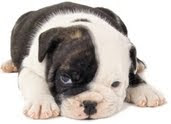
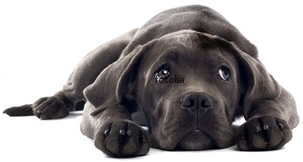
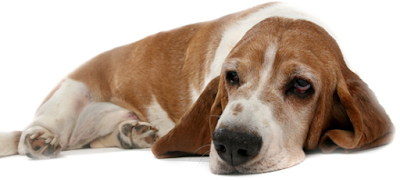
sad dog pictureThe dog pictures in this post will give you an idea of dog emotions

I don’t have too many friends. Most of the very few friends of mine are dog owners, yet some people are there who do not have dogs, but they love dogs. Most of my pals who don’t have dogs seem to be really confused when I say my dogs have emotions. Yes, this is something that has created a real buzz across the web. Do dogs have emotions? I am sure you will agree with me if I say dogs have emotions and if you are a dog owner. Still I have come across peeps who own dogs don’t know how to recognize a dog’s emotion. I do recognize my dogs’ emotions and moods through their gestures, body languages, expression of their eyes, and not to forget, the sound they make. Well, I am not a professional canine behaviorist or scientist. I just love dogs, can’t live without them try to learn from them as much as I can. I can understand when they are excited, when they are sad and when anxious. It’s not a rocket science! Just what we cannot do is we cannot measure emotions of a dog. There has been a hard topic of debate amongst the canine behaviorists because it's not possible to quantify the emotion of a dog. Researchers cannot say exactly how happy or sad a dog is. Only I can say that Roland is very happy because his mum, Mrs. Gordon, got back home, or he is very sad since his bother – Gordon’s son, has caught cold and cannot play with him.

sad dog pictureSo how do I recognize my dogs emotions?

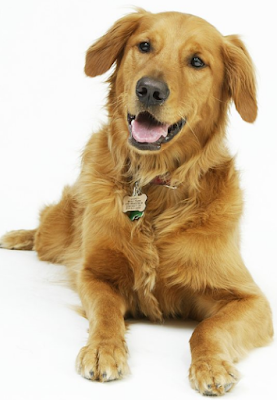
Emotion is what delivers your dog an impulse to act according to situations. While the negative emotion or the emotion of fear will deliver a dog an impulse to defend himself, a happy dog will come close to you, wagging and appreciate a physical contact. Touch definitely strengthens the man-dog relationship. There’s no doubt about the fact that your dog has rich emotional aspect of his life. He feels happy when he should and becomes sad during the gloomy moments of his life. That is the main reason why your dog show symptoms of pleasure like jumping and springing, wagging and licking your face, holding his ears back and making sounds of love and happiness etc. when you get back from your work place at the end of the day. No dog owner on the planet can understand exactly how much happy his dog actually is, and hence most owners choose to ignore the emotional part of their dog’s life! A very few people who have lived with dogs would deny the fact that dogs have emotional feelings. Every time Reva (my female GSD) meets with her daughter (Rechie), they greet each other with love, wagging their tails, licking each other and biting each others’ muzzles. They seem so happy, chasing one another. Happy Dog PictureThe facial expressions of both the dogs are different from the expressions they both show when they come across the strangers. I am sure you might also have noticed this!

Until a recent research the canine experts and behaviorists used to believe that dogs have only the primary emotions or basic emotions like love, joy, sadness, fear and anger. Primary emotions are those emotions that form the basic platform for all other secondary emotions (which are more complicated emotions) like anxiety, jealousy and shyness. Recently researchers have come up with the conclusions that dogs have both emotions, and this is what all responsible dog lovers, who have noticed dogs, have always known! It is now proved that dogs have al emotions that we human have. Now I am sure training your dog yourself is going to be a bit easier. All you need to do is to trigger his emotional aspect. Dogs have inherent instincts to learn things just like human babies. They know how to love and be loved. Sadness, fear and anger put extra mental stress on them, which makes them hard to learn new tricks. Hence Yelling at them will never work. Scaring and hitting them will make your dog more obstinate – just like human babies, and will make training harder.

happy dog pictureA happy dog will be anxious to see what trick is going to be made by his master. If you carefully notice his ears, eyes, head movement, tail position and movement, the way he’s carrying his head, the posture he is carrying himself with etc. you will get and idea of his emotional state. Not just one thing can give you a correct view, for example, tail wagging doesn’t always mean that he is in playing mood. A bed ridden dog will wag his tail seeing his owner; that doesn’t mean that he wants to go out to play, but it’s an indication that he is happy to see his loved one and wants his owner to stay by him during his bad time. Tail wagging indicates excitement, anticipation, playfulness, contentment/enjoyment, happy, self-confidence etc. Along side the tail wagging, I notice the tail position, facial expression, ear position and obviously the vocal communication to conclude exactly about my dogs’ emotional state.

Bottom line is that I try to understand the communication of my dogs to identify his requirements.

Interesting Links:


HOW TO COMMUNICATE WITH DOGS


UNDERSTANDING DOG ATTACKS

WHY DO DOGS BECOME AGGRESSIVE

Read more...
Buzz this

Tuesday, July 21, 2009

Dog Rescue - How to Deal With a Rescued Dog

Helping a timid rescued dog regain confidence

This post is all about what a poor German Shepherd Dog taught me how to deal with a timid rescued dog. A timid dog is a real difficult dog!

I have an experience with a rescued dog Rani, a beautiful German Shepherd princess. She was probably one and a half to two years old when I rescued her from her owner who used to torture her. Candidly speaking, I didn’t go to that owner’s place to bring her. My friend brought her to me and asked me to save her as she had been tortured since almost the very dawn of her life! This way Rani became a part of my pack one fine evening. She was timid, fearful and had lost almost all GSD behavioral instincts. It was really heartbreaking to see a two years old GSD showing submissive behavior when somebody was approaching her with no threat. I wrote about her and how I changed her gradually in my German Shepherd Dog blog. My Experiment with Rani taught me a great lot of things that I want to share with you guys and fellow dog lovers. Rani lost total confidence and this planet was a hell for her.
dealing with difficult dogs, timid rescued dog
Here’s what Rani taught me…

Patience is poultice for all wounds.” It didn’t happen overnight. The first night I remember I slept in the kennel with her. She didn’t eat, nor did she have water. Biscuits… yes, two or three biscuits she had, but that too not form my hand. She had them from the guy who brought her to me. I called her by her name calmly, but she was so confused that she was waging very slightly, looking at me blankly. A timid rescued dog may not come to you at once the first day. Everything must be in a slow process. Don’t stare… just look at him/her lovingly. Talk to him/her softly. Better don’t touch him… let him come to you first. This may take time. So be patient and let him feel that you are for him.

Stress can only worsen the condition.” I wasn’t tensed, as I had prepared myself from the beginning. I knew that things won’t be as easy as in case of Rex and Reva, my other German Shepherds. Remember, if you are tensed as an owner, you are in stress. And a rescued dog is already in stress and anxiety is already a problem for him… so don’t make him feel that you are tensed. Dogs can hear the voice of our mind. They have highly attuned sense of our body language and attitude. Remember, YOUR Stress Affects Your Dog Adversely!

helping a battered dog regain confidence, dog confidence“True prosperity is the result of well-placed confidence …” If the dog is approaching you, don’t approach towards him. Let him come and sniff you thoroughly. If he is too timid, and still tend to approach you, you should crouch down to his level as he will not be confident enough to come near you if you are standing before him. It’s just a way you can boost up his confidence level a bit. Allow him to smell you and you can touch him softly and slowly. While dealing with Rani, my motive was just to regain her confidence in humans.

“Fearful and stressed dog would not accept food.” All you need is to regain his confidence at the first place. Before you offer him something to eat, you need to establish a comfortable situation for the dog. On the contrary, offering some treats is the best way to build up a healthy bondage with the newly rescued dog. So what should you do? Chicken or beef flavored dog biscuits is the best option! Toss off a couple of biscuits at his feet. If he is refusing to accept the treats just leave him alone with the biscuits and walk away. Don’t peep through the corners. Leave him alone for ten minutes or so and come back with a few more treats for him. Throw one again but not as near as you did the last time. If he is looking at you, he is still confused. Talk to him softly and ask him to eat it… don’t insist him to run and grab the food. This time things will be much easier for him. If he is still refusing to eat… leave him alone and repeat the same cycle. After repeating the cycle thrice, you can offer him the biscuits in your hand. Look at him softly and don’t keep strong eye to eye contact. This will be considered as challenge. On accepting the biscuits from your hand praise him with loving voice.

responsibilities of a dog owner. dog responsibilities and dog ownershipControlling your emotion is of utmost significance! Don’t just try to embrace the rescued dog until he has developed confidence in you. Patience is again the most important factor to play its role here. I know how frustrating it feels when the new dog denies accepting your hug. But remember you have rescued a dog that has lost his confidence. You need to regain it first and it requires a good deal of patience.

It’s your responsibility to build the relationship. Once the bondage is built, you will find him the most admirable companion!

Read more...
Buzz this

Monday, July 20, 2009

Responsible Dog Ownership And Canine Health Talk

When we talk about responsible dog ownership we think of canine health. Love is blind! And most novice owners tend to bring harm to their dogs by giving them things that are really dangerous. Don't let your love for your pooches become a threat for them. I have come across some really great articles in k9 Health Solutions. Many owners give their dogs Easter Candies and Chocolates without knowing the potential dangers of Easter Candies. Make yourself aware of common household things that are poison to your dogs. k9 Health Solution have also come up with great info regarding dog maintenance.

Most dog owners, do not care about their dogs' dental health. Doggie Dental Health is what every dog owner must consider quite seriously. Dogs starts of their lives with 28 teeth, and at around 4 - 6 months of age the milk teeth are replaced by 42 permanent teeth. Bad breath, inflated gum, cracks in teeth etc are the indications of fragile dental health. Administering of sufficient Calcium strengthen the teeth, but regular brushing is essentially necessary for maintaining good dental health.Responsible Dog Ownership And Canine Health Talk

Regular walk and play off leash is again another important way to maintain the overall canine health. Good food, fresh water, sufficient play, and pure love will keep Rover happy, healthy and most active member of your pack! Swimming is great pleasure for dogs and the most effective way to put them on exercise. Although certain breeds like Shar Pei dislike water, yet still little bit of swimming is great for the health too.

Summer time is most dangerous time of the year for pets... especially large and giant dog breed. Responsible dog ownership also requires effective steps to Protect Your Dog From Summer Heat.

Last, but not the least, give them enough water to drink. Remember most dogs do not drink enough water. It's your responsibility to make them drink more water by the way of mixing with food, soup etc. The more they drink, better will it be for their health. It will help them flush off the body toxins and will keep them well hydrated and maintain good health.

Responsible Dog Owners must be aware of the fact that dogs can be well maintained with proper plans. With right kind of planning, and regular medication programs like de-worming, vaccinations, and other routine check up ensure good health and long life.

Read more...
Buzz this

Sunday, July 19, 2009

Dog Owner's Guide: Canine Blood Chemistry Elements

Here's a brief Dog Owner's Guide on Canine Blood Chemistry

I am sure you have read out my post on CANINE BLOOD PRESSURE thoroughly. This post is all about the components of blood in dogs and some important blood tests for dogs. Just keep in mind that the chemistry of blood in dogs may vary to a little extent from these ranges according to dogs’ age, state of dogs’ health, dogs’ lifestyle, food habits, and even sometimes the breed. These are just an approximate overview of the normal values for blood chemistry elements in canines that may come come to help as a Dog Owners' Guide. These values can differ a bit from what your vet has mentioned.

Approximate normal values for blood chemistry in dogs:

  • Glucose: 67 - 125 mg/dLdog owner's guide for dog owner canine blood chemistry
  • ALT: 15 - 84 U/L
  • Total Bilirubin: 0.0 - 0.4 mg/dL
  • Total Protein: 5.2 - 7.8 gm/dL
  • Urea Nitrogen: 9 - 27 mg/dL
  • Phosphorous: 2.6 - 6.8 mg/dL
  • Sodium: 140 - 153 mmol/L
  • Chloride: 106 - 118 mmol/L
  • LDH (Lactate dehydrogenase): 10 - 273 U/L
  • Magnesium: 1.5 - 2.7 mg/dL
  • Lipase: 200 - 700 U/L
  • T4 (Thyroxine): 1.0 - 4.7 ug/dL

Haematology study in dogs:

The study of haematology in dos shows the counts of the canine blood cells along with the measurement of their shapes and sizes. The study showed that particularly Deerhounds (and also Greyhounds) usually have very high number of red blood cells (RBC) per unit volume of blood. Most interestingly, the red blood cells (RBC) are comparatively smaller than most of the other dog breeds that are existing today.

Approximate normal values Derived from the study on canine Haematology:
  • Red Blood Cell Count (RBC): 5.5 - 8.5 X 100,000/L
  • White Blood Cell Count (WBC): 6.0 - 17 x 1000/L
  • Mean Corpustular Hemaglobin (MCH): 19.5 - 25.5 pgdog diseases, dog owners guide for dog owner
  • Red Cell Distribution Width (RDW) : 14 - 19 percent
  • Hematocrit: 37 % - 55 %
  • HgB (Hemoglobin) g/L: 120-180
  • Reticulocytes: 0-1.5%
  • Segs (x1000/ul): 3.6-11.5
  • Bands x1000/ul: 0.0-0.3
  • Lymphocytes (x1000/ul): 1.0-4.8
  • Monocytes (x1000/ul): 0.15-1.35
  • Eosinophils (x1000/ul): 0.01-1.25
  • Platelets (x100000/ul): 2-9
In order to determine the actual values of the blood chemistry elements in your dogs, you need to go for the following tests…

General Metabolism Test
  • GLU (Glucose)
  • LDH (Lactate dehydrogenase)
  • CPK (Creatine phosphokinase)

Kidney Function Test
  • BUN (Blood Urea Nitrogen)
  • CREAT (Creatinine)

Electrolytes Testdog health, dog owners guide canine blood component guide for dog owners
  • Na (Sodium)
  • K (Potassium)
  • Cl (Chloride)
  • CA (Calcium)
  • PHOS (Phosphorus)

Liver Function Test
  • ALP (Alkaline phosphatase)
  • ALB (Albumin)
  • GGT (Gamma-glutamyl transpeptidase)
  • SGPT (Serum glutamate pyruvate transaminase
  • TP (Total Protein)
  • CHOL (Cholesterol)
  • GLOB (Globulin)
  • TBILI (Total Bilirubin)

Thyroid Test
  • T3 (Triiodothyronine)
  • T4 (Thyroxine)

Pancreas Test
  • AMY (Amylase)
  • LIP (Lipase)

Read more...
Buzz this

Wednesday, July 15, 2009

Interesting Facts About Shar Pei - The Wrinkle Dog

facts about Shar Pei wrinkle dogs shar-pei wrinkle dog breed shar-pei dog breed why shar pei have wrinklesInteresting Wrinkle Dog Facts – A Bit More About Shar Pei

The last weekend I borrowed a book on Shar Pei – the Wrinkle Dog from one of my dog lover pals. She is not a Shar Pei owner, but just for the sake of interest she had purchased the book. I have some documents on Shar Pei too and would like to share some of the most interesting facts about these amazing dog breed with you guys.

Shar Pei is one of the highly intelligent dog breed with independent and dignified character. Quite snobbish by nature these wrinkle dogs are sometimes standoffish with the unknowns. Shar Pei is a good family pet with loyalty and devotion to the family in full swing. Highly alert, courageous and confident, yet calm, the wrinkle dogs have a history as guard dogs and herders.

Here are some really interesting facts about the Shar Pei dog breed. Read on…

  • The name "Shar-Pei" actually means "sand coat".
  • Shar Pei – the wrinkle dog is amongst the few non-shedding dog breeds. However, they may shade very little and occasionally.
  • Shar Pei dogs are probably one of those freed dog breeds in the world that come in wide range of colors. Shar Pei’s color range includes red, fawn, sand, black and even blue and lilac.
  • A Shar-Pei can also have what is known as “dilute" pigmentation. That means the nose leather, nails and the anal region have the same color as the coat itself. Fact is all these coloration have been officially accepted provided the coat color has to be a solid color and uniformly blended all over the body.
  • This dog breed resembles the Chow Chow – another rare Chinese breed for having bluish black tongue. Lavender tongue is not disqualification in Shar Pei but not desirable. Pink tongue like the other dog breeds and spotted tongue is a disqualification.
  • There are three distinctive types of Shar Pei dog breed. While some have lots of wrinkles, others don’t. Horse Coat and Brush Coat are the couple of short coat versions . Bear Coat version has comparatively longer coat. The Horse coat version is rather shorter version of the two short coat varieties.
  • Horse coat variety had been the original coat type before the breed was actually introduced to America.
  • Interestingly, unlike most dog breeds the Shar Pei has an intense dislike of water, but they have been reported to have tendencies of getting into ponds and lakes according to their own will. First time owners should aware of the fact that they should be well trained and tactically introduced to bath.
  • These wrinkle dogs have descended from the Guangdong province of China. Originally the Shar-pei used to be a lot different from what we see in the western countries. These days the Chinese and people from Hong Kong tend to differentiate the wrinkle dogs as western types Shar-pei and original type Shar-pei.
  • Researchers have analyzed of DNA of the Shar-pei dogs and have concluded that this breed is amongst the most ancient dog breeds that exist these days.
  • Shar-pei dogs are prone to a typically inherited disease called Shar Pei Fever, which is also known as "Swollen Hock Syndrome". Shar Pei Fever makes the dog suffer a 24 hour fever, accompanied with swelling of joints and affects kidneys, leading to renal failure.
  • Shar Pei has been officially recognized by CKC, FCI, AKC, UKC, KCGB, ANKC, NKC, NZKC, APRI, ACR.
Learn WHY SHAR PEI DOGS HAVE SO MANY WRINKLES in their body!

Read more...
Buzz this

Thursday, June 25, 2009

Fascinating Facts about Dogs’ Age – Oldest Dog in the World

Oldest Dog in the World

I am sure many dog lovers came across an interesting article that was published in the Telegraph.co.uk about a mix Labrador Retriever named Bella, whose owners claimed that she broke the record of the oldest dog in the world. The owner David Richardson, from Chesterfield, claimed that his dog was at least 26 years old, which in the canine years is 200 years of age.

Mr. Richardson brought Bella 26 years ago from an animal home, although RSPCA said that it doesn’t have any record for Bella. The Guinness World Records refused to enlist Bella as the world’s oldest dog in it’s book without proper paperwork and proof. Gareth Deaves, records manager from Guinness World Records, said “unless we can see a doggy birth certificate or some really clear evidence from the RSPCA then we won’t be able to prove Bella’s age and we can’t list her as the oldest dog.” According to Mr. Deaves, the most recent record of the world’s oldest dog was held by a dog called Butch. Butch, from America, died in 2003, when he was 28 years old. The prize for the oldest dog in the world ever recorded was awarded to Bluey, a sheepdog from Australia, who lived a happy 29 years and 5 months of life.

More facts about oldest dog in the World

Barry, oldest dog in the world, world's oldest dog"Barry" the St. Bernard, lived 15 years (1800-1814) and is still standing smartly around today, although taxidermically (stuffed), at the Natural History Museum in Berne. Barry saved dozens of lives in the Swiss mountain.

"Bramble", the Collie, who is living in Bridgewater, Somerset, is the living legend running 28th year. Experts think that an exclusively vegetarian diet… “rice, lentils and organic vegetables every evening”, accompanied by good regular exercise have blessed Bramble with such a long life. Guinness World Records is thinking that Bramble is the oldest living dog in the world. Bramble is not only world’s oldest living dog, but lucky too, thinks Anne Heritage, 43. Ms. Heritage described how Bramble had a narrow escape from the death at the onset in February, 1977. "The day after we brought her home, the [New Quay rescue centre] kennels flooded and the other dogs drowned… So she's been incredibly lucky" says Ms. Heritage. She added, "She has a big bowl of rice, lentils and organic vegetables every evening."

How to help your dog live longer?

Four things are very much essential! Good food, fresh water, good exercise and pure love. An extensive 14 years of study (conducted in the University of Pennsylvania) finally concluded that calorie-restricted diet would result in dog living a median 1.8 years longer than the known average dog’s life span. The study was published in the Journal of the American Veterinary Medical Association in the issue of May 2002. Gail K Smith, the professor of orthopedic surgery at Penn said: "Dogs in the calorie-restricted group didn't require treatment for osteoarthritis until a mean age of 13.3 years, fully three years later than the dogs in the control group. Because osteoarthritis is painful, this deferral represents a substantial boost in quality of life." Contrary to the myth, I would like to say that dogs are not carnivorous animals; they are omnivorous. So give them green.

Visit Dog Care Tips and Dog Healthy Issues.

Read more...
Buzz this

Sunday, June 21, 2009

Stop Practicing Abusive Dog Training Techniques

Abusive Dog Training Techniques, dog training methods, training dogsAbusive Dog Training are unscientific way of interacting with your dogs

This has been a long believed myth that the puppies should experience physical and mental stress or fear in order to learn something. There are tons of convincing evidences in the support of the fact that puppies usually get spoiled when they are exposed to archaic training methods. Training cannot be an excuse to animal abuse. It doesn’t take a professional dog trainer to figure out the ways a subject can be made to learn certain things by non-abusive techniques. A professional dog trainer has to be a dog lover at the very outset and then a trainer. He would not undertake any abusive dog training techniques, as he understands that they often leave the puppy out with a psychological trauma. Dog owners should be aware of so-called “professional dog trainers” operating in your locality. Dog trainers are requested to stop practicing abusive dog training methods.

This case had been reported in the Animal Behavior Consultant Newsletter… the July 1998 issue:
"An obedience instructor in a training class was demonstrating a correction with a client's nippy puppy. She stuck her fingers down the pup's throat when it nipped, causing a gag reflex. She then took the puppy between her hands and shook it. The puppy collapsed. The instructor and owner took the pup to a veterinary hospital, where it died." Physical punishments can hardly make any positive difference; it can only worsen the condition.

German Shepherd Dog Training Tips, training German Shepherd DogsI would like to share something that I recently found in a dog, whose owner has been a bit consistent in punishing her while teaching things. She is a brindle Great Dane. She is in great care, and has a good health. Only problem with her is that her owner doesn’t understand the basics of dog training and practices those age old archaic correctional methods. Consequently he is perceived by his dog as unpredictable. When the owner gets back home in the evening, I have seen her showing a bit ambivalent behavior, vacillating somewhere between joy and submissive actions. Truly speaking, the owner has spoiled the correct mental trait of the breed. She is no more an expressive and imposing specimen like she, as a Great Dane, should be, although she hails from a good bloodline.

Dog training is all about an art! Abusive dog training is crime. The director of outreach for companion animals for The Humane Society of the United States (HSUS), Stephanie Shain says: "Just like with human communications and psychology, there are varied philosophies, methods and approaches when it comes to communicating with your dog. It is important to define your goals and find a system that works best – and safely -- for you. Unfortunately, we know of many cases in which a private trainer's methods were abusive and the animal was injured or killed."

Abusive Dog Training Techniques, dog training methods, training dogsMisuse of choke chains in the training method should be avoided. Using it in training session is not a fault; using it in the wrong way is a crime. Even if your trainer uses it, he should not yank around your puppy no the leash. Most often I’ve seen trainers using choke chains in wrong ways and keep on saying “he’s fine... don’t worry”. If this is the case4 for your dog trainer too, trust me it’s the time to look for another professional dog trainer. Abusive dog training is not a dog training method… it’s nothing less than dog abuse. Effective dog training should be fun for dogs!

You might like to read out HOW TO DEAL WITH DIFFICULT DOGS and HOW TO COMMUNICATE WITH DOGS.

Read more...
Buzz this

Friday, June 19, 2009

Dog Breeding – The Art of Breeding Dogs

dog breeding, breeding dogsDog breeding is an art – Rather a scientific art

Wondering if your female dog should or shouldn’t be bred? Remember, if you are dream of a good healthy litter, you need to do it perfectly and it involves a huge deal expenses and you need to master the art of studying bloodlines (Pedigree Research). Dog breeding is an art… rather a scientific art!

Most people just want to make some money. Well, they are novice and just cannot understand the fact that they will be lucky if they could meet the breakeven point. If you are an aspiring breeder you need to know that dog breeding involves a huge volume of expenses, starting from bringing in a female pup, maintain her and make her fit to be bred when time comes. You need to wait until she attains the age of at least 2 years, but the story doesn’t end here! Then comes the phase when you need to look for the right dog for her. Remember, all good dogs cannot be the right mate for any good bitches. Someone said it perfectly right that the best female of the litter can produce the worst puppies! Yes, this is very common… many good females have produced substandard quality of puppies. Remember good female doesn’t mean good producer. It’s not always the females’ fault either. It’s the breeder who does not study the bloodlines to pick the right dog for his female.

Health issues associated with wrong dog breeding program

There are certain things that a breeder should check prior to breed his female. Every breed has it’s own unique inherent disorders. While some dog breeds to susceptible to ailments like Degenerative Myelopathy, Collie eye anomaly, Ectropion etc, others may be prone to Hemophilia type of problems, for instance, von Willebrand's disease Musculoskeletal Disorders like Chondrodysplasia (dwarfism), hip dysplasia, Elbow dysplasia. There are loads of hereditary problems associated to wrong and unplanned dogs breeding. If you are planning to breed your female make sure that the dog and the bitch (the female you are planning to breed) are free from all medical conditions and hereditary disorders. Make sure that your female and the stud dog are both free from problems like brucellosis. Brucellosis causes eventual sterility in both genders, which causes the puppies to be aborted prematurely and usually die shortly after birth. Bad news is that many disorders are not apparently visible, while many are unknowingly overlooked!

breeding dogs, dog breedingTemperament check before breeding dogs

Well, now I would like to move a step ahead. Aspiring breeders… please be noted that only the structural soundness and sound health condition are not the end of the story! Genetics play an immense role in building up the dog's character. Temperament is another vital factor that has to be kept in mind. Breeding over-aggressive or shy specimens will result in progenitors with unbalanced temperament. Temperament depends on the breed. You should know your breed to the fullest extent if you want to breed dogs. A related study could be found in the article - Role of Gene in The Dog's Character.

Read more...
Buzz this

Friday, June 12, 2009

Canine Cancer: FDA Approves The First Drug to Treat Cancer in Dogs

Pfizer's Palladia - The first canine cancer drug ever!

Here’s another good news for dog lovers and their dogs! It wasn’t until June 3, 2009 that the dog world people had been struck with such a great surprise. The Food and Drug Administration of America announced the approval of the first canine cancer medicine ever on Friday, June 3, 2009. ‘Palladia’ (toceranib phosphate), the first cancer treating drug for dogs created a buzz across the globe – especially revolutionized the veterinary world. Good news is that the now the dog owners got something to fight cancer in their dogs, but bad news is that it cannot treat all types of cancers in dogs.

canine cancer, cancer in dogs, cancers in dogs‘Palladia’, manufactured by Pfizer Animal Health Inc., New York City, can treat only the cutaneous mast cell tumors (MCT), which is a type of cancerous tumor, which is commonly found in about 1 out of 5 canine cutaneous tumors. ‘Palladia’ has been approved to treat the cutaneous mast cell tumors with or without regional lymph nodes involvement. Al the cancer drugs that have been in use for the veterinary purpose so far were all developed to be used for humans and not for animals. Until Palladia surged into the market canine cancer were treated with steroids and antihistamines and various oncology drugs for human. As allowed by the Animal Medicinal Drug Use Clarification Act of 1994, the cancer treatments meant for the veterinary purpose are used in an “extra-level” manner. Bernadette Dunham, D.V.M., Ph.D., director of FDA's Center for Veterinary Medicine said: "This cancer drug approval for dogs is an important step forward for veterinary medicine. Prior to this approval, veterinarians had to rely on human oncology drugs, without knowledge of how safe or effective they would be for dogs. Today's approval offers dog owners, in consultation with their veterinarian, an option for treatment of their dog's cancer."


How Palladia Works?


Remember, the mast cells have a positive role to play for dogs. The mast cells help to protect dogs from allergies and inflammation. But if over-stimulated, they discharge certain chemicals, like heparin, histamine, prostaglandins and serotonin, which damage the dogs’ immunity system. Unfortunately, what causes the tumors to turn to be cancerous is still not discovered. Palladia (toceranib phosphate) is a tyrosine kinase inhibitor and works in two distinctive ways:

  • Its kills the tumors cells and makes the tumor disappear or stop growing further
  • It cut off the supply of blood to the tumor region and makes it disappear or stop growing.
In a clinical test, Palladia proved to be one of the most effective drugs by showing shrinkage in the tumor. A radical difference has been witnessed when compared with Placebo.
Palladia has brought a radical change in the veterinary science, but its not devoid of side effects. The most common and probable side effects associated with Palladia are lameness, diarrhea, decrease or loss of appetite, weight loss and sometimes blood in the stool.

Cancerous mast cell tumors are actually categorized into three grades according to severity....
  • Grade I MCT is least severe and limited to just a tumor itself with no risk.
  • Grade II MCT is when the tumor begins to metastasize, but it’s still considered treatable.
  • Grade III MCT is when the tumors becomes aggressive and spreads through the lymph glands to the other parts of the dogs’ body.
Palladia is actually meant for Grade II and III.

Read more...
Buzz this

Friday, May 29, 2009

Dog Worm Infestation - Natural Treatment for Internal Parasites in Dogs


Dog Worm Infestation and Natural Treatment for Internal Parasites in Dogs

Dogs are always at high risk to the infestation of worms of all types. As a responsible dog owner, I tend to take immense car of my dog's health and I am sure you do that too! Most people I have seen are not aware of the fact that heavy infestation of internal parasite can do harm to any extent... even Congestive heart failure in worst case, leading to death. It is doubtlessly important for all dog owners to identify the symptoms of the worm infestation and take every preventive measures. There are actually five kind of worms that can attack dogs. They are roundworms (Toxocara canis,Toxascaris leonina), hookworms (Ancylostoma caninium), whipworms (Trichuris vulpis), tapeworms (Dipylidium caninum) and heartworms (Dirofilaria immitis). Except the heart worm, all the other four kind of parasites (hook worn, round worm, tape worm and whip worm) are found in the intestine. As the name suggests, the heart worm lives within the heart and the blood vessels. Remember some worms are of the type zoonotic, which means they are easily transmitted to human beings and do the same kind of harm. How will you know that your dog has been infested with worms? All you need is to be a bit more responsible and should have a good eye. Dogs show different signs when they are infested with internal parasites.

Symptoms of Worm infestation in dogs

There are certain common symptoms that are shown by dogs when they are infested with worms. If your dog shows one or more of these signs, it is highly advisable to visit your vet.

  • Pot-bellied look
  • Dull or scruffy coat (rough condition)
  • Weight loss
  • Loss of Appetite
  • Dry Coughing with or without Vomiting
  • Restlessness
  • Anemia
  • Diarrhea
  • Sluggishness with lack of activeness
  • Abdominal pain
  • Bloody stools
  • High blood pressure
I repeat... if you notice one or more of these symptoms see your vet at once. There are many ways you can prevent your dog being afflicted to internal parasite. The treatment of dog worms depends mainly on the type of parasite the dog has been attacked with. As soon as you can suspect that your dog has infested with worms get his stool tested and give a call to your vet. There are some proved natural treatments too for the dog worms, which many experienced dog owners have been using instead of administering chemical medicines like albandazole. Continual administer of artificial drug brings in severe harm to your dog by making it resistant to the specific drug and affecting the the liver adversely, thereby wekening the immune system of your dog. Natural methods of treating the dog worm are helpful because they are really effective with very little or almost no side effects. Make your dogs life a complete package of healthy diet, proper natural remedies, fresh water and effective play. Check out some tips for natural remedies.

Garlic: With its great lot of medicinal properties, garlic has immense capability to keep your dog protected from many diseases. Moderate use of garlic can reduces the level of cholesterol and CANINE BLOOD PRESSURE, there by reduces the chance of cardiac ailments. Feeding your dog garlic with food helps expulsion of internal parasite in dogs. In tropical countries, dogs should be give garlic only during winter and comparative cool time of the year.

Fennel: Fresh fennel seeds has immense benefit! It helps in worm expulsion. It is extremely beneficial for baby dogs or a dogs with colic. You can give your dog a cup of fennel tea every day after meal to ensure proper digestion. For pregnant bitches fennel tea has immense benefit, as it enhances milk production.

Wormwood: I am sure most dog owner are not aware of this fact! Wormwood is very much beneficial to dogs - especially the dogs with poor digestive system. With its calmative properties, wormwood can be given to stimulate your dog's gastric juice and bile. By feeding wormwood to your dog, you can treat dog worm effectively.

Pumpkin Seeds: Giving pumpkin seed is a natural remedy for tapeworm infestation. Grind some fresh seeds of pumpkin and make a paste. Feed it to your dog every morning in empty stomach. This will be of good effect if your dog is infested with tape worms.

Raw Turmeric and Salt: This is again a good and effective natural remedy for intestinal parasites in dogs. Grind 5 to 6 medium pieces of raw turmeric and quarter TSP of salt to make a paste. Feed it every morning in empty stomach.

Clove: Clove is highly anti-parasite. Give your dog a clove each day after meal. This will definitely act as a good de-wormer. Do not give clove continuously for a long time. Every alternative week for a couple of months will be enough for a large dog.

Remember that the dose of the above naturally treatment will depend on a few factors. While treating dog worm naturally you must take into consideration the breed of your dog (toy, small, medium, large or giant), age your dog, body weight and most importantly the degree of infestation. Remember, if your dog is heavily infested with internal parasite the naturally treatment can hardly do magic! Prevention is better than cure. Continue treating giving your dog the above items periodically, so that he remains safe and lead a happy and healthy life. I won't ask you you to stop giving him the deworming tablets, but you can increase the gap between the shots, so that you dog doesn't become resistant to medicines easily.

Don't forget to read out ECONOMIC DOG CARE TIPS.

Read more...
Buzz this

Friday, May 22, 2009

Home Made Dog Food: Feed Your Dog Natural Dog Food

Hey are you looking for an insurance policy for your dog? Prior to that just try out feeding him all natural foods. A good diet for your pet is as good as your pet's insurance policy! The wide range of vegetables that are rich in antioxidants are just what I am going to talk about in this posts! Not all, but some of the natural foods are rich in the most essential elements such as manganese, phosphorous, calcium and potassium and all vitamins and minerals that are essentially necessary to be included in your dog's diet. Make a list of the ingredients to be added to your dog's diet. There are many vegetables that are rich in antioxidant. I would suggest you to give him green along side meat. Most of the leafy green vegetables are highly rich in antioxidants. The natural food for dog should consist of corn, wheat and green vegetables without any mixing of artificial ingredients. This way you can ensure maximum amount of protein and fiber in your dog's diet. Remember, your dog is a member of your family and immense care has to be taken. Special attention must be given when it comes to their food. Why go for the commercial dog foods, when making perfectly nutritious food for your dog is really a fun and there are so many advantages in that?

When you prepare home made dog food for your most lovable member of your family, care should be taken if you are picking the right ingredients. Your dog's diet should be rich in vitamin E and C, which is good for bones and growth. Certain Vitamins are immensely important for the overall development and growth. I would like to specially mention the vitamins such as beta - carotene that helps your dog by flushing off the toxins - free radicals from his body.

All natural dog food is very rich in vitamin E and C, which is very important for their body. Vitamin E keeps their skin glowing and Vitamin C is good for their bones. All these vitamins affect in the same manner as it affect in human body. Vitamin such as, beta – carotene is helpful in removing toxic from the body commonly known as free radicals. Toxin flush off mechanism has to be kept quite active, since dogs usually eat meat, which makes them gain lots of toxic materials that can adversely affect liver, kidney, lungs and heart and even blood, thereby breeds tons of diseases.It is hence always advisable to give him a supplement of all natural food on a regular basis to keep their metabolic system active. This would in turn keep your dog fit and free from infections and diseases.

Avoid giving your dog certain foods. I have seen people giving their dog certain food that I would strongly stand against. Despite making them aware of some deadly ailments caused by feeding raw meat, I have seen many dog owners feeding their dogs raw meat - especially if it is lamb, beef or pork. Stop it please! Steer clear of junk oily food or raw pork, cured meat (meat that are preserved by various food preservatives), pasteurized milk products. Giving stuff such as raisins, onions and sugary food, juicy citrus fruits (grapes, oranges etc.) are strictly prohibited. The good home made dog food should include cooked grain, lean cut of beef or lamb meat, poultry, fatty fish, white fish, eggs and not to be forgotten the fresh green vegies.

You can come across tons of natural food brands waving off the market. Advice from a registered veterinarian is absolutely necessary before to choose a dog food brand your dog. Concern should be feeding your dog better; keeping him good for the whole life!

Check out a SPECIAL DOG FOOD RECIPE

Read more...
Buzz this

Friday, May 15, 2009

Show Results - Crufts Dog Show - 2009

Show Results - Crufts Dog Show - 2009

Best In Show Crufts 2009
SEALYHAM TERRIER - AM/CAN/SU EFBE'S HIDALGO AT GOODSPICE, M & S GOOD & MIDDLEBROOKS

Reserve Best In Show Crufts 2009
• POODLE STANDARD - CH/AM CH AFTERGLOW THE BIG TEASE, MR J LYNN

Gundog Group Crufts 2009
Judge: Mr Chris Bexon

1. HUNGARIAN VIZSLA - SH CH/AUST CH HUNGARGUNN BEAR IT'N MIND, MRS N & MRS K CRAGGS & ARMSTRONG
2. WEIMARANER - SH CH ANSONA GAMEKEEPER AT AARRANZ JW ShCM, MRS L DANNEAU
3. ENGLISH SPRINGER SPANIEL - TRIMERE TALKING POINT OF ALLENIE JW, MR A C & MR R P ALLEN & BOTT
4. GERMAN WIREHAIRED POINTER - CH/NED CH FREDDY VOM KAPELLENHOF AT BAREVE (IMP), MRS B & MISS S PINKERTON

Hound Group Crufts 2009
Judge: Mrs E Anne Macdonald

1. PHARAOH HOUND - INT CH NORTHGATE'S AS YOU LIKE IT, MISS J HALL
2. PETIT BASSET GRIFFON VENDEEN - CH SOLETRADER MY APHRODISIAC, MRS S ROBERTSON
3. WHIPPET - CH COURTHILL CAST A SHADOW, MR R M & MRS P M STOCK & GILMOUR
4. MINIATURE DACHSHUND SMOOTH-HAIRED - CH/CAN/AM GRANDGABLES MS SUPERNATURAL AT CARPACCIO (IMP), MRS S & MR J HUNT

Pastoral Group Crufts 2009
Judge: Mrs Brenda Banbury

1. OLD ENGLISH SHEEPDOG - AM CH VILLAS CRUELLA AT DIZZNY, MR P, MRS I & D V WALLSTROM & CUJDIK
2. WELSH CORGI PEMBROKE - CH RIVERSIDE WICKED WONDERFUL, MRS D SHINDLE
3. HUNGARIAN PULI - INT/DK/LUX BUBBLETON BIRTHDAY BIJOU, MR K & MR J ANDERSEN & RAVN
4. BORDER COLLIE - IR CH TONKORY MOVE OVER TO HUNTLY, MR D, MRS M & MRS J CONNOLLY & GREGORY

Terrier Group Crufts 2009

Judge: Mr Harry O’Donoghue (Ireland)

1. SEALYHAM TERRIER- AM/CAN/SU EFBE'S HIDALGO AT GOODSPICE, M & S GOOD & MIDDLEBROOKS
2. SCOTTISH TERRIER - AM CH ROUND TOWN MERCEDES OF MARYSCOT, MRS A MUSSER
3. NORWICH TERRIER - CH RAGUS RINGS TRUE, MRS L A CRAWLEY
4. IRISH TERRIER - CH BRAZAN SEGHILL, MRS M R LOVELACE

Toy Group Crufts 2009
Judge: Mr Tom Mather

1. PAPILLON - QUEEN BLESS JP ROYAL CONNECTION, J & E ROOSENS & ABELOOS-DEVOS
2. MALTESE - CH BENATONE GOLD RING, MISS S & MRS R JACKSON
3. CHINESE CRESTED DOG - CH/INT/SWE PREFIX REALLY SOMETHING, R AGRONIUS
4. POMERANIAN - DK/LUX CH SOFFIE'S QUEEN BEE, MRS V JACOBSEN

Utility Group Crufts 2009
Judge: Mr Ernie Paterson

1. POODLE (STANDARD) - CH/AM CH AFTERGLOW THE BIG TEASE, MR J LYNN
2. DALMATIAN - CH DVOJICA VOODOO JW, MR M DUNNACHIE
3. LHASA APSO - DAMJOZ FIRST EDITION, MESSRS J & L NORRIS & STUDHOLME
4. TIBETAN TERRIER - CH SCHANTI'S SONNY LAMLEH AT WALKAMILE (IMP DEU), MRS
H STICKLEY

Working Group Crufts 2009

Judge: Mr Robin Searle

1. BOXER - CH WINUWUK LUST AT FIRST SIGHT, MRS M, MISS J & MR T WARD-DAVIES, BROWN & HUTCHING
2. ROTTWEILER - CH/AM CH BRIAROAKS CHILI FANTASA, MRS E DUNHILL
3. TIBETAN MASTIFF - SIERRAS YOGANANDA (IMP), MS A & MR T SUTTON & NAGRECHA
4. DOBERMANN - CH AMAZON COLD PLAY JW, MR C & MRS N, MRS V EVANS & BYRNE

Read more...
Buzz this

Thursday, May 14, 2009

Dog Breed Information - Getting To Know Your Labrador Dog

labrador dog breed,Labrador Retriever, types of Labradors, Labrador Retrievers, Labrador dogs, an ideal dog, Labrador Retriever DogJust this morning, when I was totally engrossed in reading a news about Rosie, a bright-eyed chocolate brown Labrador retriever, who is working on the challenge posed by a stuck sock, I found a note from one of my dog lover friends popped up in my mail box. He is a Labrador lover and owns a beautiful yellow Labrador retriever, and named him Bhontu! Only difference between Rosie and Bhontu is not only the color, but while Rosie can gently tug at Jennifer Urbanski’s foot, working the sock free without tearing it, Bhontu is a naughtiest member of the family, still the most lovable one! It not really hard to fall in love of the charming spell of cast by the quizzical expression a beautiful white Labrador like Bhontu, when he peeps through the green bush!

Well, let’s talk about the Labrador Retriever in general. One most amazing fact about Labrador Retriever that most Labrador owners are probably not aware of, is that the different breeding art of the American and English breeders have resulted two types of Labradors with a bit different appearance.

#1… English Labrador, which descends from English bred stock, and are a bit heavier in appearance. They are slightly shorter-bodied, with thick coat and tail.
#2… American Labradors descends from American bred stock, which are a bit tall and lanky and less heavy in appearance.

Now I am sure, this will raise a topic of debate as to which is better. Both! Both are equally good in degree of intelligence and as guard dogs. Both are great companions, highly loyal and make wonderful pet as apartment dogs! Labrador Retrievers are amongst the most friendly, well-balanced and versatile dog breeds that are easily adaptable to a wide range of situations and functions including making good pets. Putting things in simpler form, these are just the variations in lines, with differences in physique, arisen out of the specialized breeding. The Labradors bred for hunting or working in the field are picked first for working ability, while those bred for performing in the conformation showing are picked for the characteristics desired for show rings. These are the basic difference between the field and trial-bred Labrador dogs (which are sometimes called "American Labradors") and the Show bred Labradors (which are often called "English Labradors").

General Appearance

labrador dog breed,Labrador Retriever, types of Labradors, Labrador Retrievers, Labrador dogs, an ideal dog, Labrador Retriever DogIdeally Labradors are the medium large dogs with females typically weighing 25–32 kg (55–70 lb) and males, 30–36 kg (65–80 lb). Labradors Retrievers are amongst those dog breed that have an inherent tendency to gain weight. Labradors with total body weight close to over 45.4 kg (100 lb) are considered as obese. Obesity in Labradors are considered to be serious fault under American Kennel Club Standard. Still most of the Labradors are afflicted to Obesity. Although no distinction is actually made for these American (field and trial bred) and English (bench or show bred) lines, still there are remarkable difference in the built as described above.

Based on the AKC standard Labrador Retriever is a strongly built, short-coupled, compact dog that possesses a well-balanced athletic structure that enables it to act as a perfect retrieving gun dog to hunt waterfowl as well as upland game for long hours under critical situations. With an appearance of proportionality, Labrador males should stand 22.5-24.5 inch (55.9-62.5 cm) tall and females should stand 21.5–23.5 inch (54.5–60 cm) tall at the withers. Well, the UK Kennel Club standards choose to differ slightly with 22–22.5 inch (55.9–57.2 cm) tall for males, and 21.5–22 inch (54.6–55.9 cm) tall for females at the withers. The foreface and the skull should be on parallel planes and of approximately equal in length, which is an indication of a well bred specimen. Topline should be strong is level from the withers to the croup region when on move or stand. The loin region should be free from stiffness and must essentially show evidence of flexibility for easy athletic endeavor and effortless move. Another most distinguishing feature of a well bred Labrador dog is his tail, which should be broader at the base, and gradually tapering towards the tip. It should be of medium length, and must not extend below the hock. Feathery and bushy tail is a serious fault in the breed, although rarely seen theses days. Coat slight wave down the back may be permissible but not desirable. Woolly coats, sparse slick coats, soft silky coats, wiry coat are not typical of the breed at all, and hence are disqualification.

Expression

Short dense coat should not essentially be wiry and must be 'water-resistant'… more accurately 'water-repellent'. This enables the dog work safely in the water without getting cold in the winter. The chestnut or hazel eyes and medium-sized ears are pendant ears gives a highly intelligent and impressive expression. Well developed, but non-exaggeratedly broad skull, thick nose, pronounced stop, fairly wide muzzle and powerful neck gives a clear impression of strength. The jaws must powerful and free from snippiness.

Temperament

Being calm and of cool demeanor, Labrador Retrievers have been admired world wide as perfect pet. By nature Labrador dogs are not prone to being territorial, hypersensitive insecure, aggressive, and destructive, and as the name suggests, this dog breed is one of the excellent retrievers and swimmers. His gentleness, intelligence, non-aggressive and adaptable nature make him an ideal dog. Aggressiveness towards other dogs and humans, or any sign of shyness in adult dog are disqualification. Although safe, but they shouldn’t be left unattended with kids, since they can sometimes knock kids down while on play and unintentionally harm children.

History of Labrador Retriever Dogslabrador dog breed,Labrador Retriever, types of Labradors, Labrador Retrievers, Labrador dogs, an ideal dog, Labrador Retriever Dog

Contrary to its name, the Labrador Retriever probably originated from the St. John's Dogs of Newfoundland used by the fishermen for fishing. These amazing St. John's Dogs would freak out with their fishermen masters in their boat and helped them by retrieving nets of fish from distance, pulling them back to the boat. These early dog breed (St. John's Dogs) had rudder-like tail, high endurance, and highly fond of swimming seen in the Labradors that we find these days!

During the late nineteenth century, some of the St. John’s Dogs had been trained to perform on land, as gun dogs for hunting and retrieving, instead of working in water. More refined dogs had been produced by scientific breeding program and the progenitors came to be known as “Labrador Dogs” – a name given to distinguish them from their larger ancestors – the Newfoundland Dogs. Thereafter constant research and developed selective breeding produced something that we call Labrador Retrievers.

Special Fact


Labradoodle is the hottest designer dog that has been made by cross breeding Labrador and Poodle. This is one hybrid dog breed that suites best for family with members who are suffering from allergy. Labradoodle has been one of the best choices of the US President Barack Obama as the First Dog. Check out my post of President’s Choice of LABRADOODLE. Read out more about OBAMA DOG ISSUE.

Recognition:

The Labrador Retriever Dog breed has been officially recognized by 10 National Kennel Clubs all over the world. This amazing gundog breed has been recognized by CKC, FCI, AKC, UKC, ANKC, NKC, NZKC, APRI, ACR.

  • FCI - Group 8 Section 1 #122
  • AKC – Sporting Dogs
  • NKC – Sporting Dogs
  • ANKC - Group 3 (Gun Dogs)
  • CKC - Group 1 (Sporting Dogs)
  • KC (UK) - Gun dog
  • NZKC - Gun doglabrador dog breed,Labrador Retriever, types of Labradors, Labrador Retrievers, Labrador dogs, an ideal dog, Labrador Retriever Dog
  • UKC - Gun Dog
Glossary:
  • CKC = Continental Kennel Club
  • FCI = Fédération Cynologique Internationale
  • AKC = American Kennel Club
  • UKC = United Kennel Club
  • KCGB = Kennel Club of Great Britain
  • CKC = Canadian Kennel Club
  • ANKC = Australian National Kennel Club
  • NKC = National Kennel Club
  • NZKC = New Zealand Kennel Club
  • CCR = Canadian Canine Registry
  • APRI = American Pet Registry Inc.
  • ACR = American Canine Registry

Read more...
Buzz this

Last Month's Popular Posts

inf-lnk

  © This dog blog is maintained by Arindam Ghosh

Back to TOP  

ss_blog_claim=4d485fcfdf9a1742242353455bbf50d4 ss_blog_claim=4d485fcfdf9a1742242353455bbf50d4